
Non-Owner SR-22 for Young Drivers — Oregon
Free to compare
Why Young Suspended Drivers Need Non-Owner SR-22
You're 22, your license was suspended after a DUII conviction, and you sold your car before the suspension hit. Now Oregon DMV says you need SR-22 filing to reinstate, but every carrier you call wants to insure a vehicle you don't own. This is the exact structural confusion non-owner SR-22 policies were built to resolve.
Oregon requires continuous proof of financial responsibility during and after suspension for DUII, reckless driving, and certain accumulation-of-violations cases. The SR-22 certificate proves you carry liability coverage even when you don't own a vehicle. Non-owner policies provide the minimum liability limits Oregon requires — $25,000 per person, $50,000 per accident for bodily injury, $20,000 for property damage — and file the SR-22 certificate directly with Oregon DMV on your behalf.
“Carriers treat age and suspension together as compounding risk — premium gaps of 40–60% between young and older drivers with identical records are standard.”

Find a Oregon Insurer That Will Cover You Now
Get My Oregon Suspended License Insurance Quote$420–$900/year
Young Driver Non-Owner SR-22 Cost
Carriers price non-owner SR-22 for drivers under 25 at approximately $35–$75 per month in Oregon, compounding age-based underwriting with suspension-based risk scoring. Drivers over 25 with identical suspension records typically pay $25–$45 monthly for the same coverage.
Estimates based on available industry data; individual rates vary by violation type and driving history.
What Non-Owner SR-22 Actually Covers
Non-owner SR-22 provides liability coverage when you drive a vehicle you do not own: a borrowed car, a rental, or a friend's vehicle. It does not cover damage to the vehicle you're driving. It covers bodily injury and property damage you cause to others in an accident where you are at fault.
Oregon's non-owner policies include the state-required Personal Injury Protection minimum and Uninsured Motorist coverage. These are not optional add-ons in Oregon — state law mandates both on every auto liability policy, including non-owner policies. The coverage applies only when you are driving, not when someone else drives a vehicle you have access to.
If you later purchase a vehicle during your SR-22 filing period, the non-owner policy does not convert automatically. You must switch to a standard auto policy with SR-22 endorsement before driving the newly owned vehicle. Carriers will not backdate the conversion if you wait until after a claim.
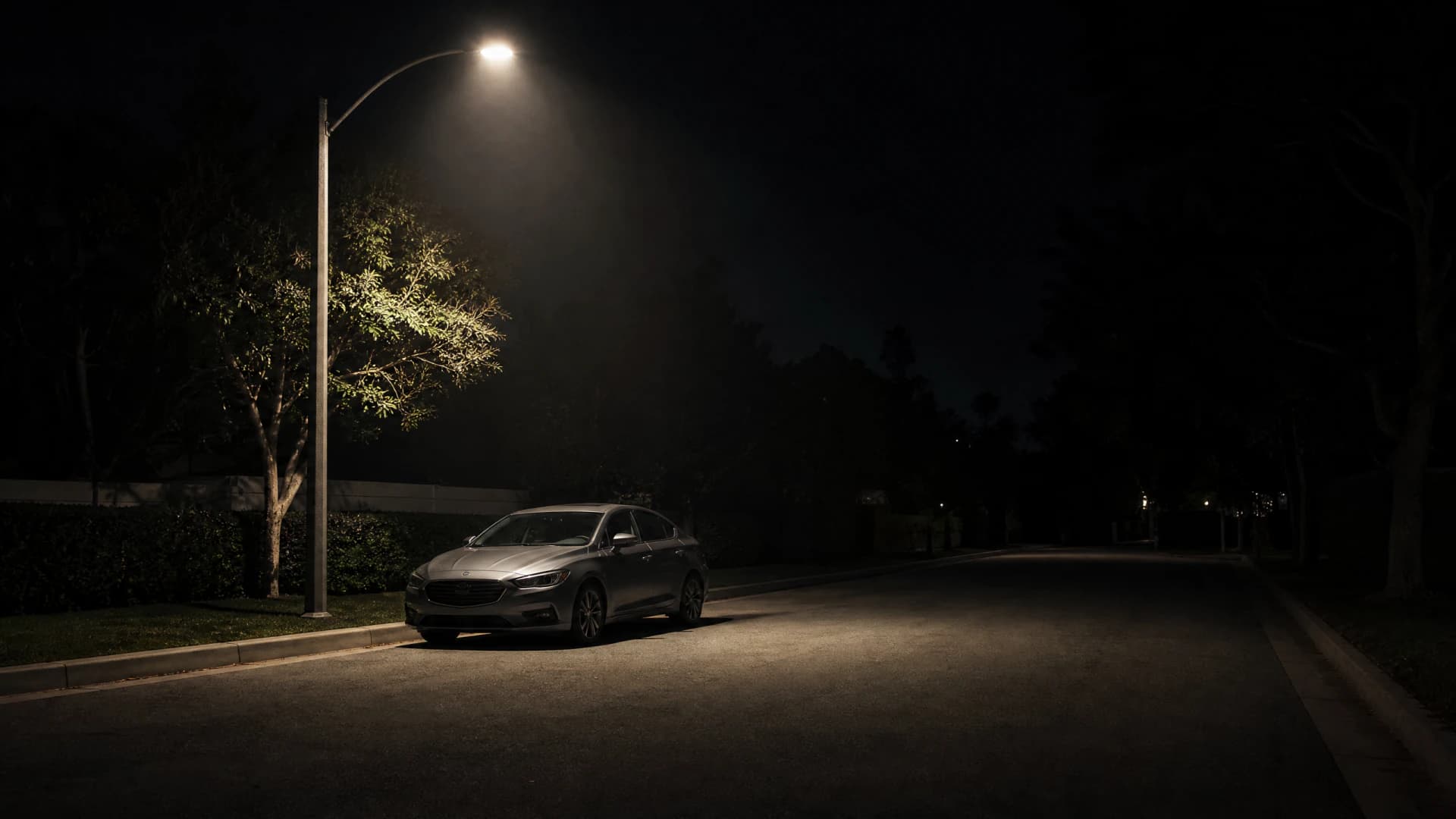
Carriers treat drivers under 25 with suspensions as compounding risk — age and violation type stack in underwriting models, producing premium gaps of 40–60% compared to older drivers with identical records.


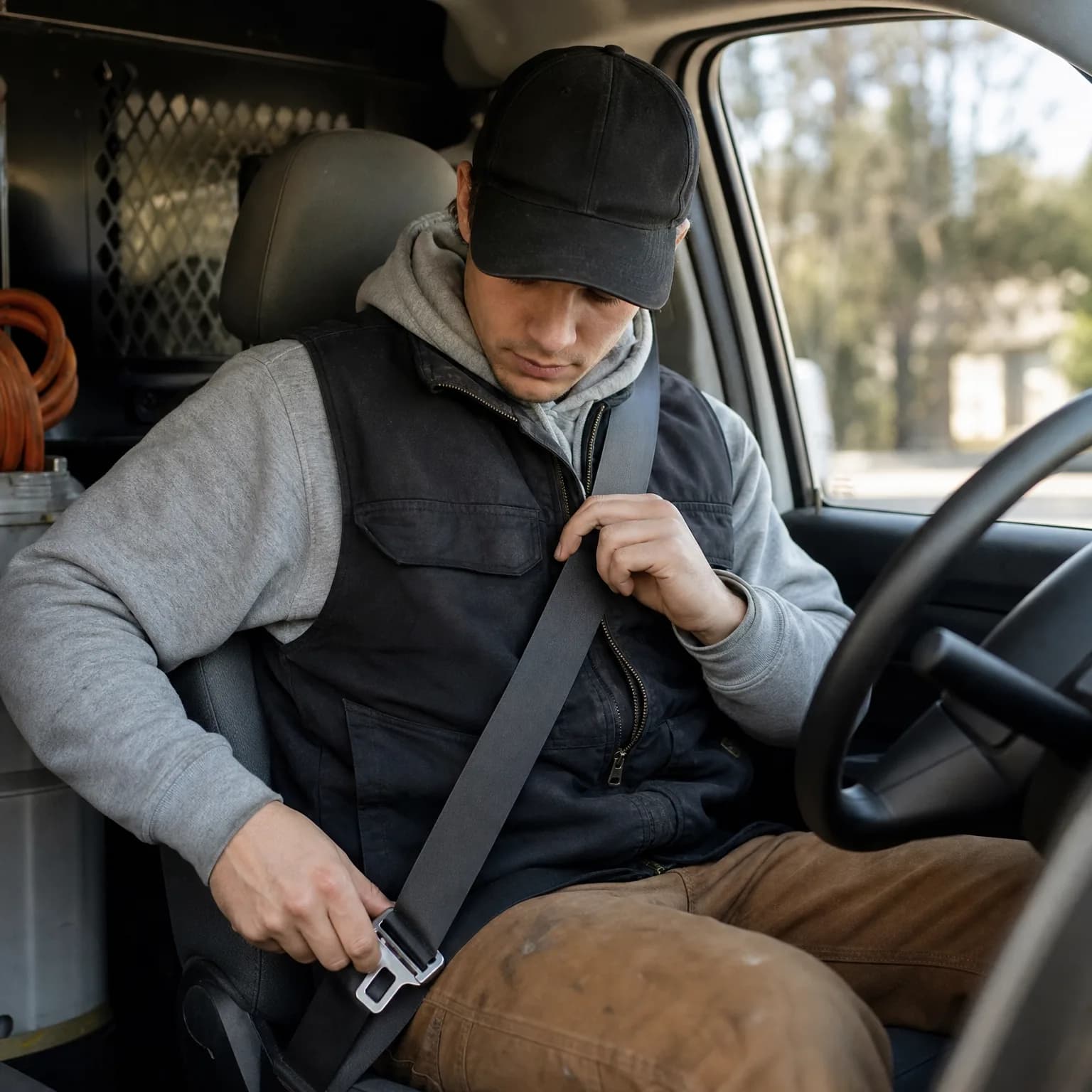




Oregon SR-22 Filing and Reinstatement Timeline
Oregon DMV requires SR-22 filing for 3 years following DUII conviction, measured from the conviction date, not the filing date. If you were convicted January 15, 2024, your SR-22 requirement runs through January 15, 2027, regardless of when you actually filed the SR-22 certificate. Filing late does not shorten the 3-year window.
Carriers transmit SR-22 certificates to Oregon DMV electronically within 1–5 business days of policy binding. Oregon DMV processes the filing within 3–7 business days after receipt. Your reinstatement eligibility does not begin until DMV confirms receipt and posts the filing to your record. Calling Oregon DMV Driver Records at 503-945-5000 confirms posting status if the carrier's confirmation alone is insufficient for your timeline.
If your SR-22 policy lapses or cancels at any point during the 3-year requirement, the carrier must file an SR-26 cancellation notice with Oregon DMV. DMV suspends your license again immediately upon receiving the SR-26, and the 3-year clock does not pause. You must refile SR-22, pay the $75 reinstatement fee again, and wait for DMV to process the new filing before driving legally. Lapse consequences are automatic — Oregon DMV does not send advance warning before suspending.
3 years
Oregon SR-22 Filing Period
Oregon requires continuous SR-22 filing for 3 years following DUII conviction under ORS 806.010 and related statutes. The 3-year period begins at conviction, not at the date you file SR-22, and does not pause for lapses or cancellations.
ORS 806.010 et seq.; Oregon DMV financial responsibility requirements

Hardship Permit Eligibility for Young Drivers
Oregon issues Hardship Permits to drivers whose licenses are suspended, including drivers under 25, when the driver can prove essential need for employment, medical appointments, education, or other necessary purposes. DUII suspensions in Oregon carry a 30-day hard suspension window during which no hardship permit is available. After the 30-day window, young drivers may apply for a Hardship Permit if they meet the essential-need test and install an ignition interlock device.
Hardship Permit applications require proof of SR-22 filing before DMV will process the application. You cannot apply for the permit without active SR-22 coverage already on file with DMV. Application processing typically takes 7–14 business days after DMV receives the completed packet. The permit restricts driving to the specific routes and hours DMV approves based on your stated need — driving outside approved parameters triggers immediate revocation and extends your suspension period.
Compare Carriers Before You Commit
Non-owner SR-22 rates for young Oregon drivers vary by $20–$40 monthly between carriers writing this profile. Progressive, USAA, Dairyland, and GAINSCO all underwrite the same liability limits and SR-22 filing service, but rate the identical driver differently based on proprietary underwriting models that weight age, suspension type, and county of residence in non-transparent ways. A 23-year-old Portland driver suspended after DUII may see quotes ranging from $45 monthly to $85 monthly for functionally identical coverage.
Request quotes from at least three carriers before binding. Confirm the carrier files SR-22 electronically with Oregon DMV, not by mail — electronic filing posts faster and reduces reinstatement delays. Verify the policy start date aligns with your reinstatement timeline; binding a policy that starts after your DMV hearing or reinstatement eligibility date creates a gap that extends your suspension.
Carriers Writing Young Non-Owner SR-22 in Oregon
Progressive writes non-owner SR-22 for Oregon drivers under 25 and quotes online without requiring broker intermediation. Rates for young drivers suspended after DUII typically start around $50–$70 monthly. Progressive's online quoting system accepts non-owner applications directly; you do not need to call. Filing occurs within 24–48 hours of policy binding in most cases. USAA writes non-owner SR-22 for eligible members under 25 but restricts membership to military servicemembers, veterans, and their immediate family. USAA's non-owner rates for young suspended drivers typically run $40–$60 monthly, lower than non-military-affiliated carriers due to membership-based underwriting.
Dairyland, Bristol West, GAINSCO, and The General all write non-owner SR-22 for young Oregon drivers but require phone or broker applications — none offer online non-owner quoting for suspended drivers under 25. Dairyland and Bristol West focus on non-standard risk and typically quote $55–$85 monthly for this profile. GAINSCO entered Oregon in 2022 and prices competitively for young suspended drivers, often matching Progressive. The General writes non-owner SR-22 but skews toward older non-standard drivers; quotes for drivers under 25 often exceed $75 monthly.
Get Your Free Quote
Get My Oregon Suspended License Insurance QuoteFrequently Asked Questions
Can I get non-owner SR-22 insurance in Oregon if I'm under 25?
Yes. Progressive, USAA, Dairyland, Bristol West, GAINSCO, and The General all write non-owner SR-22 policies for Oregon drivers under 25. Rates typically range from $35–$75 monthly depending on carrier and violation type. Progressive offers online quoting; others require phone or broker applications.
How long does Oregon require SR-22 filing after a DUII?
Oregon requires SR-22 filing for 3 years following DUII conviction, measured from the conviction date. If your SR-22 policy lapses at any point during the 3-year period, Oregon DMV suspends your license immediately and you must refile SR-22 and pay the $75 reinstatement fee again.
Does non-owner SR-22 cover rental cars in Oregon?
Yes. Non-owner SR-22 provides liability coverage when you drive a rental car or any vehicle you do not own. It does not cover damage to the rental vehicle itself — rental agencies typically offer separate damage waiver products for that.
Can I get a hardship permit in Oregon with a DUII suspension?
Yes, but not during the first 30 days. Oregon imposes a 30-day hard suspension after DUII during which no hardship permit is available. After 30 days, you may apply for a Hardship Permit if you have SR-22 filing on record and install an ignition interlock device.
What happens if I buy a car while on non-owner SR-22?
You must switch to a standard auto policy with SR-22 endorsement before driving the newly owned vehicle. Non-owner policies do not automatically convert. Carriers will not backdate coverage if you wait until after a claim to notify them of the vehicle purchase.
Why do young drivers pay more for non-owner SR-22?
Carriers treat age and suspension as compounding risk factors in underwriting models. Drivers under 25 with suspensions typically pay 40–60% more than drivers over 25 with identical violation records for the same non-owner SR-22 coverage.
How long does SR-22 filing take in Oregon?
Carriers transmit SR-22 certificates to Oregon DMV electronically within 1–5 business days of policy binding. DMV processes the filing within 3–7 business days after receipt. Total timeline from policy purchase to posted SR-22 typically runs 4–12 business days.