
Non-Owner SR-22 Insurance — Oregon
Free to compare
When Oregon DMV Requires SR-22 but You Sold the Car
You received your Oregon suspension notice for DUII, sold your vehicle to cover attorney fees or court costs, and assumed the insurance requirement no longer applied. Then you called Oregon DMV to check reinstatement status and learned SR-22 financial responsibility filing is required for three years—whether you own a car or not. The DMV agent directed you to contact an insurance carrier, but every online quote form asks for your vehicle's VIN and won't proceed without it.
This is the structural collision Oregon suspended drivers without vehicles face: ORS Chapter 806 requires continuous proof of financial responsibility to reinstate after certain suspension types, but the insurance products most carriers sell assume you're insuring a specific registered vehicle. Non-owner SR-22 insurance solves this—it's a liability policy with no vehicle attached, designed specifically for drivers satisfying state filing requirements between cars or during suspension.
“Oregon's SR-22 requirement follows the driver, not the car—sell your vehicle and the filing obligation remains.”

Find a Oregon Insurer That Will Cover You Now
Get My Oregon Suspended License Insurance Quote$25–$45/mo
Oregon Non-Owner SR-22 Premium
Monthly cost for state minimum liability coverage ($25,000/$50,000/$20,000) plus SR-22 filing, based on available carrier rates for suspended drivers with clean post-violation records. Rates increase with multiple violations or recent claims.
Carrier rate estimates, Bristol West, Dairyland, GAINSCO Oregon filings
What Non-Owner SR-22 Actually Covers in Oregon
A non-owner policy provides liability coverage when you drive a vehicle you don't own—a borrowed car, a rental, a friend's vehicle. It covers bodily injury and property damage you cause to others, satisfying Oregon's mandatory minimums: $25,000 per person injured, $50,000 per accident for injuries, $20,000 for property damage. The SR-22 certificate attached to the policy notifies Oregon DMV electronically that you're maintaining continuous coverage.
Non-owner policies do not cover damage to the vehicle you're driving. They do not cover your own injuries. They do not replace the vehicle owner's insurance—that policy remains primary. Your non-owner coverage functions as secondary liability protection when the owner's limits are exceeded, or when you rent a car and decline the rental agency's collision damage waiver.
Oregon requires Personal Injury Protection (PIP) and Uninsured Motorist coverage on all auto policies, including non-owner. Your non-owner policy will include these mandated coverages at state minimums, adding roughly $8–$15/month to the base liability premium. Some carriers allow you to increase PIP or UM limits; doing so raises your monthly cost but provides better protection if you're hit by an uninsured driver while operating a borrowed vehicle.

Oregon DMV suspends your registration for coverage lapse—even if you no longer own a vehicle—because the SR-22 requirement follows the driver, not the car.


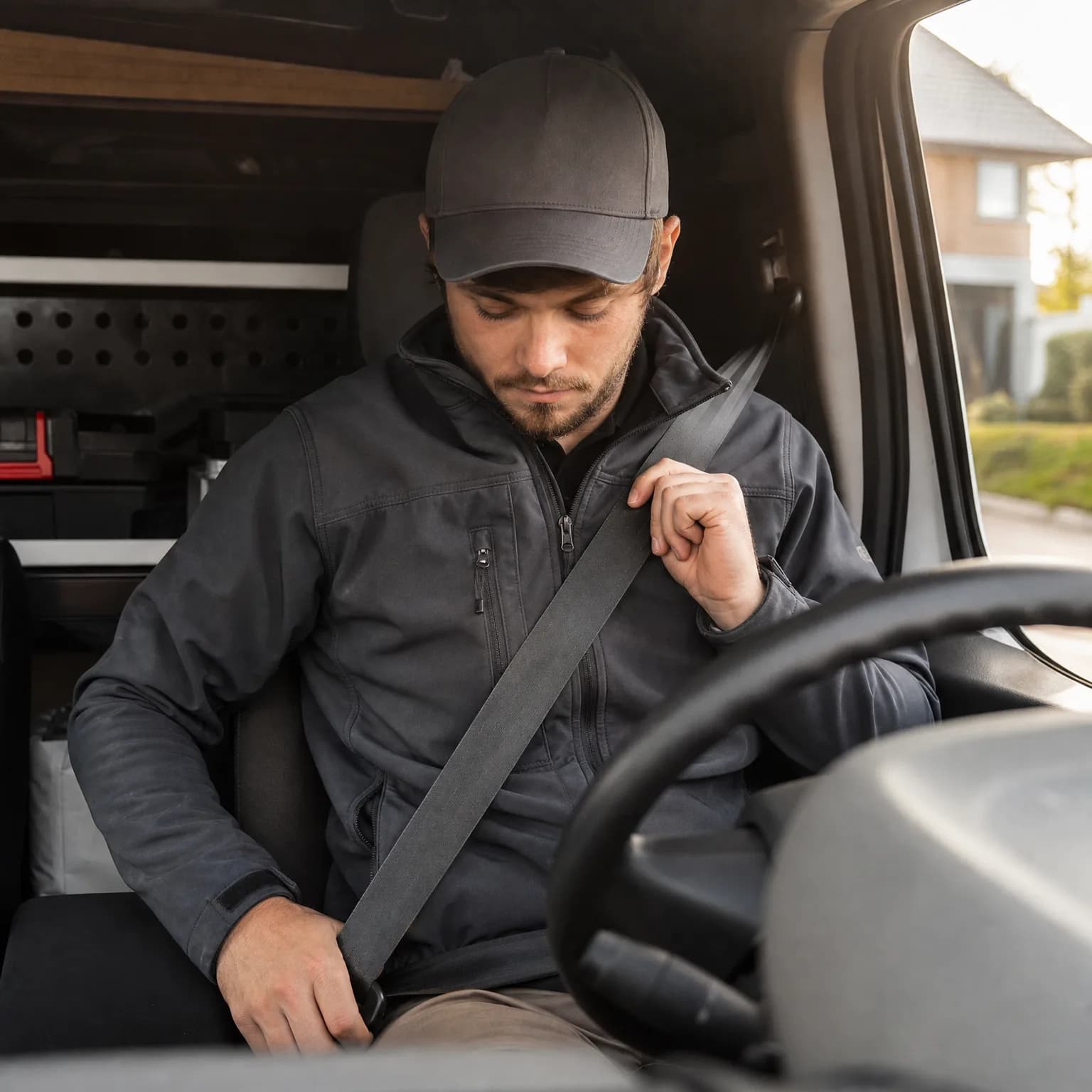
How Oregon DMV Tracks Your SR-22 Filing
When your carrier files the SR-22, Oregon DMV receives an electronic notification through the state's insurance verification system. The SR-22 does not arrive as a paper certificate you deliver to DMV—it's transmitted carrier-to-DMV automatically. You receive a copy for your records, but DMV's system updates within 24–72 hours of the carrier's filing.
If your non-owner policy lapses or cancels for any reason—missed payment, voluntary cancellation, carrier non-renewal—the carrier files an SR-26 cancellation notice with Oregon DMV. DMV suspends your driving privilege immediately upon receiving the SR-26. There is no grace period. Oregon ORS 806.070 treats insurance lapse during an SR-22 period as a separate suspension trigger, adding fees and extending your overall SR-22 requirement window.
The three-year SR-22 clock in Oregon starts from your DUII conviction date or the date your suspension became effective, not from the date you purchase the non-owner policy. If you waited six months after suspension before buying coverage, you still owe three full years of continuous SR-22 from the original conviction date—you cannot backdate the filing. Verify your SR-22 end date with Oregon DMV before assuming your requirement is satisfied.
3 years
Oregon SR-22 Filing Period
Oregon requires SR-22 filing for three years following DUII conviction or certain suspension types. The period begins at conviction, not at the date you purchase insurance. Lapse during this window triggers immediate re-suspension and restarts the clock.
ORS 806.010, Oregon DMV SR-22 requirements

When Non-Owner SR-22 Does Not Satisfy Reinstatement
If you own a registered vehicle in Oregon—even if it's non-operational, parked, or registered in someone else's name at your address—DMV will reject non-owner SR-22 and require a standard owner policy. Oregon's insurance verification system cross-references your driver license number against vehicle registration records statewide. A match triggers a requirement for owner coverage, regardless of whether you're actually driving that vehicle.
If someone else in your household owns a registered vehicle and lists your address, some carriers treat you as a household member with access to that vehicle and decline to write non-owner coverage. This varies by carrier underwriting rules. If you're refused non-owner coverage for this reason, you have two options: obtain a named driver exclusion from the vehicle owner's policy (removing your access to that vehicle), or purchase your own standard policy and register a vehicle in your name.
Compare Rates Before You File
Non-owner SR-22 premiums in Oregon vary by $15–$25/month between carriers for the same driver profile. The lowest advertised rate is not always available—carriers decline applicants based on violation type, county, prior insurance history, and internal underwriting appetite. Request quotes from at least three carriers that confirmed non-owner SR-22 availability: Bristol West, Dairyland, GAINSCO, Progressive (select markets), and The General.
Once you bind a policy, the carrier files your SR-22 electronically within 24–48 hours. Oregon DMV's system updates shortly after. You can verify SR-22 filing status by calling Oregon DMV Driver Records at 503-945-5000 or checking your online DMV account at oregondmv.com. Do not assume reinstatement is complete until DMV confirms SR-22 receipt and you've paid the $75 reinstatement fee (or higher DUII-specific fee if applicable). Compare Oregon non-owner SR-22 carriers now and lock in the lowest monthly rate that meets your three-year filing requirement.
Carriers Writing Non-Owner SR-22 in Oregon
Bristol West operates in Oregon's non-standard market and writes non-owner SR-22 policies for DUII and post-suspension drivers. Quotes require a phone call or broker contact—Bristol West does not offer non-owner self-service quotes online. Monthly premiums typically range $35–$50 depending on violation history and county. Bristol West files the SR-22 electronically with Oregon DMV within 24 hours of policy binding.
Dairyland and GAINSCO both write non-owner SR-22 in Oregon and offer online quote tools that accept non-owner applications. Dairyland's Oregon non-owner rates start around $28/month for drivers with a single DUII and no subsequent violations. GAINSCO entered Oregon in 2022 and prices competitively for high-risk drivers, with non-owner SR-22 premiums in the $30–$45/month range. Both carriers file SR-22 certificates electronically and confirm filing with the policyholder within 48 hours.
Get Your Free Quote
Get My Oregon Suspended License Insurance QuoteFrequently Asked Questions
Can I get non-owner SR-22 insurance in Oregon if I never owned a car?
Yes. Oregon non-owner SR-22 is available whether you previously owned a vehicle or not. The policy satisfies Oregon's SR-22 filing requirement for suspended drivers without registered vehicles. Carriers writing non-owner policies in Oregon include Bristol West, Dairyland, and GAINSCO.
How much does non-owner SR-22 insurance cost in Oregon per month?
Oregon non-owner SR-22 premiums typically range $25–$45/month for state minimum liability plus required PIP and Uninsured Motorist coverage. Rates vary by violation type, county, and driving history. Drivers with multiple DUII convictions or recent at-fault accidents pay higher premiums.
Does Oregon DMV accept non-owner SR-22 for license reinstatement?
Yes, if you do not own a registered vehicle. Oregon DMV accepts non-owner SR-22 as proof of financial responsibility for reinstatement after DUII or certain suspension types. If you own or co-own a registered vehicle, DMV requires a standard owner policy with SR-22 instead.
What happens if my non-owner SR-22 policy lapses in Oregon?
Your carrier files an SR-26 cancellation notice with Oregon DMV. DMV suspends your driving privilege immediately with no grace period. You must purchase new coverage, file a new SR-22, pay reinstatement fees, and restart your three-year SR-22 requirement clock from the lapse date.
Can I cancel my non-owner SR-22 policy after Oregon reinstates my license?
Not until your three-year SR-22 filing period ends. Oregon tracks your SR-22 requirement from conviction date, not reinstatement date. Canceling early triggers immediate re-suspension. Verify your SR-22 end date with Oregon DMV before canceling coverage.
Do I need non-owner SR-22 if I only drive a company vehicle in Oregon?
Yes, if Oregon DMV assigned you an SR-22 filing requirement. The requirement applies to your driver license regardless of vehicle ownership or who provides the vehicle you drive. Your employer's commercial policy does not satisfy your personal SR-22 obligation.