
Hardship Permit — Oregon
Free to compare
Why Your Oregon Hardship Permit Application Isn't Moving Forward
You submitted your hardship permit application to the Oregon DMV weeks ago. Your employer verified your work schedule. You included proof of your address and a letter explaining why you need to drive. The application sits in pending status with no explanation, and when you call the DMV, the representative mentions an ignition interlock requirement you never heard about during the initial application process.
Oregon's hardship permit — officially called a Hardship Permit under ORS 807.240 — operates differently from restricted license programs in neighboring states. The state requires ignition interlock device installation as a condition of approval for nearly all hardship permit applications, not just DUII cases. This procedural requirement catches most applicants off guard because it's not clearly stated in the initial application materials and it must be completed before the permit can be issued.
“Oregon requires ignition interlock installation before issuing your hardship permit, even if your suspension was not DUII-related.”

Find a Oregon Insurer That Will Cover You Now
Get My Oregon Suspended License Insurance Quote$75
Oregon Reinstatement Base Fee
This is the standard DMV reinstatement fee for most administrative suspensions in Oregon. DUII-related suspensions carry additional fees, often $100 or more, on top of this base amount.
Oregon DMV Driver and Motor Vehicle Services Division fee schedule
What Oregon Defines as Essential Need
Oregon DMV evaluates hardship permit applications based on proof of essential need: employment, medical appointments, school, or essential household needs. The term 'essential' is not defined by statute with a bright-line threshold. DMV adjudicators make case-by-case determinations based on the documentation you submit.
Employment verification must include your employer's name, address, your work schedule, and a statement from your employer confirming that public transportation is not a viable option for your shift hours or location. Medical appointments require documentation from your healthcare provider stating the frequency and necessity of the appointments. Educational need requires enrollment verification and a class schedule showing attendance requirements.
The vagueness of 'essential household needs' is where most applications encounter resistance. Grocery shopping alone is not typically sufficient. Childcare transportation for a working parent is more persuasive if you can document the care provider's location, your work schedule, and the absence of alternative transportation. The stronger your documentation chain — employer letter, childcare provider letter, public transit route map showing gaps — the more likely approval becomes.

Oregon requires ignition interlock device installation and proof of installation before issuing your hardship permit, even if your suspension was not DUII-related.





The Ignition Interlock Requirement Most Applicants Miss
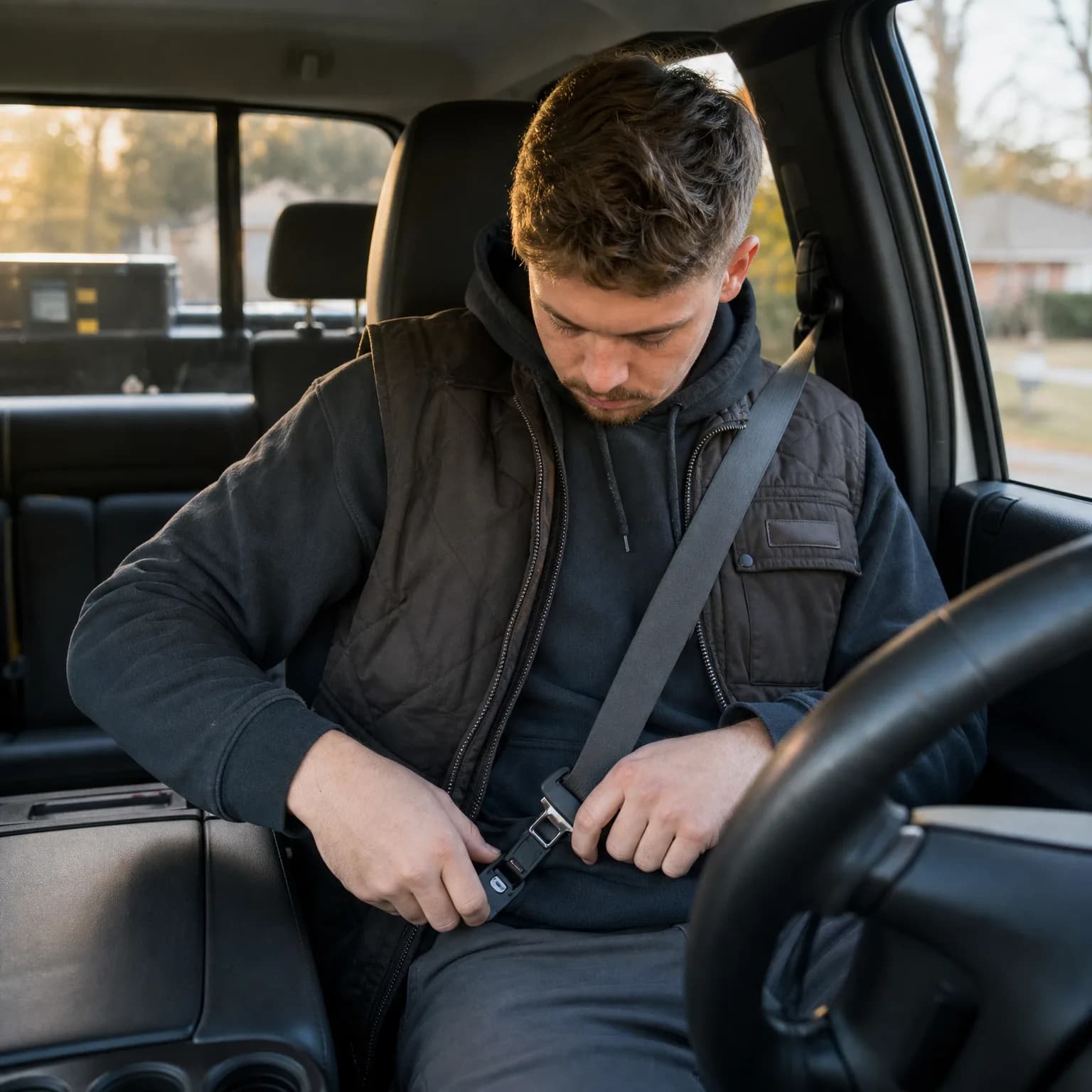
Oregon law under ORS 813.602 requires ignition interlock device installation as a condition of any hardship permit following a DUII-related suspension. What catches non-DUII applicants by surprise: DMV applies this requirement broadly to nearly all hardship permit applications as an administrative condition, not just DUII cases. The requirement exists to ensure compliance monitoring for restricted driving privileges.
You must arrange IID installation with an Oregon-approved vendor before DMV will approve your application. The vendor list is available on the Oregon DMV IID program page. Installation costs vary by vendor but typically range from $75 to $150, plus monthly monitoring fees of $60 to $90. DMV requires the vendor to submit proof of installation electronically before your hardship permit enters final approval status.
If your suspension was DUII-related and you entered Oregon's DUII Diversion Program under ORS 813.200, you can apply for a hardship permit after completing a 30-day hard suspension period. The diversion pathway makes hardship permit approval more straightforward, but the ignition interlock requirement remains mandatory and must be completed before the permit is issued.
10-15 business days
Oregon Hardship Permit Processing Window
Processing begins only after DMV receives complete documentation: proof of essential need, SR-22 or liability insurance certificate, and ignition interlock installation confirmation from an approved vendor. Incomplete applications reset the timeline.

Route and Time Restrictions DMV Will Impose
Oregon hardship permits restrict you to essential purposes only: employment, medical appointments, school, and essential household needs as defined by the documentation you submitted. You cannot use the permit for social activities, recreational travel, or errands beyond what DMV approved in your application. Specific route restrictions are defined by DMV based on the addresses you provided in your essential need documentation.
Time restrictions limit your driving to the hours necessary for your stated essential purpose. If your work schedule is Monday through Friday, 7 a.m. to 4 p.m., DMV restricts your permit to those hours plus reasonable travel time to and from your residence. Driving outside approved hours is treated as driving while suspended and triggers permit revocation plus additional criminal penalties. Law enforcement can verify your permit status and restrictions during any traffic stop.
Apply Through Oregon DMV, Not Through Court
Oregon hardship permits are issued by the DMV Driver and Motor Vehicle Services Division, not by courts. Even if your suspension originated from a court order, the hardship permit application process runs through DMV. You submit your application packet — employer verification, medical or school documentation, SR-22 certificate, and proof of IID installation — to your local DMV office or by mail to the Driver Programs Unit in Salem.
Court documents may be required as supporting evidence if your suspension stems from a DUII conviction or other court-ordered penalty, but the court does not issue the permit itself. DMV makes the final determination on eligibility and restrictions. If you're uncertain whether your suspension type qualifies for a hardship permit, call the DMV Driver Programs Unit before paying application fees or arranging ignition interlock installation. The base application fee structure is not published uniformly, but expect costs in addition to the $75 reinstatement fee.
Once approved, your hardship permit remains in effect for the duration of your suspension or until you violate its terms. Violating route restrictions, time restrictions, or failing monthly ignition interlock reporting triggers automatic revocation. You will not receive a warning. The suspension clock does not reset when a hardship permit is revoked — you lose the privilege for the remainder of your original suspension period and face additional penalties for driving while suspended.
Get SR-22 Coverage Before You File
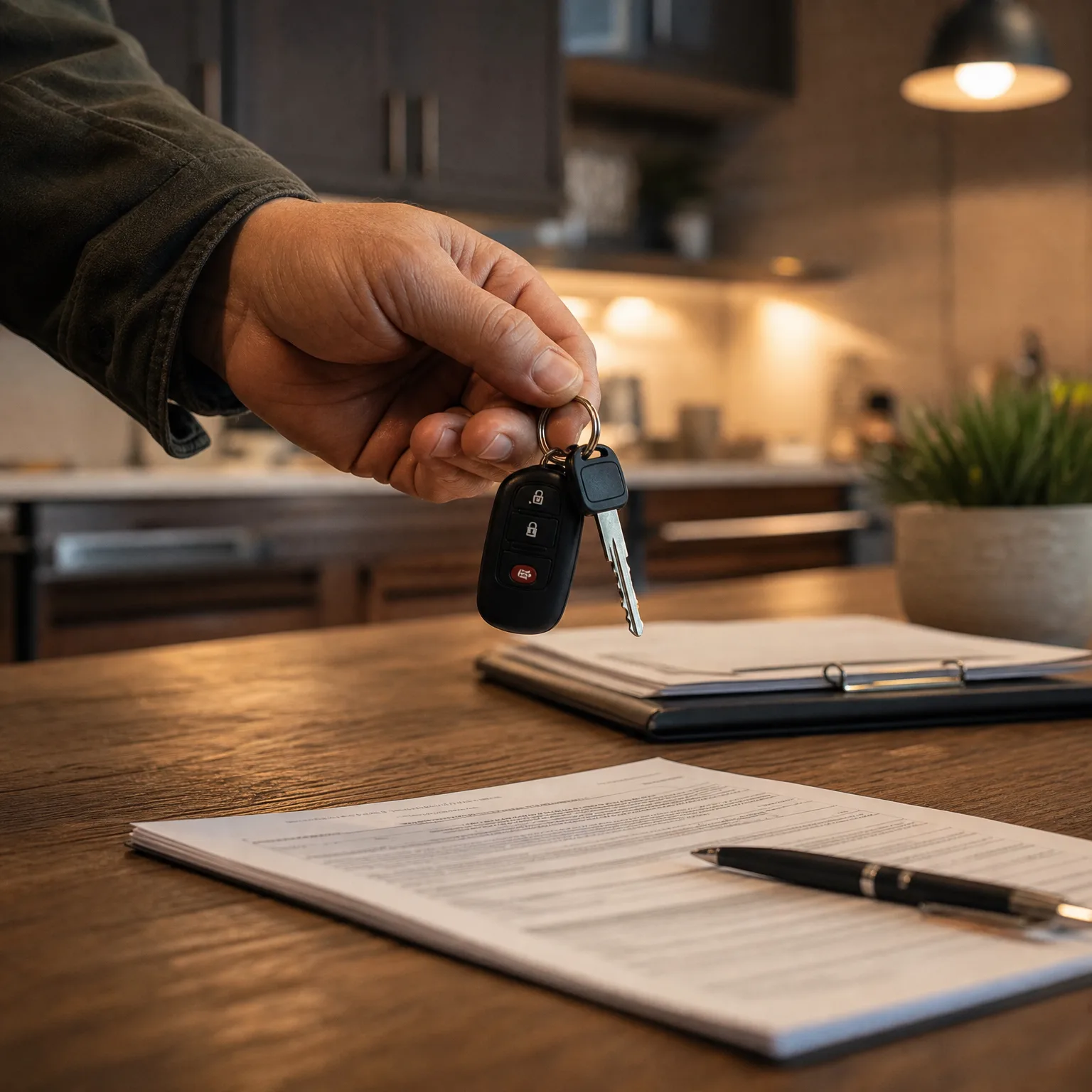
If your suspension requires SR-22 filing, arrange coverage before you submit your hardship permit application. Oregon requires the SR-22 certificate on file with DMV at the time your application is processed. Carriers writing SR-22 in Oregon include GEICO, Progressive, State Farm, Bristol West, Dairyland, GAINSCO, and The General. Not all carriers write non-owner SR-22 policies, which you need if you don't currently own a vehicle.
Compare carriers that specialize in high-risk and suspended-license situations. Monthly premiums vary significantly based on your suspension reason, driving history, age, and county. Estimates based on available industry data show wide variation; individual rates depend on factors unique to your situation. Start quotes early — some carriers take 3 to 5 business days to process SR-22 filings and submit them electronically to Oregon DMV. Your hardship permit application will sit in pending status until DMV receives the filing confirmation.
Required Documentation Before You Apply
Proof of essential need documentation must be employer-verified or provider-verified. A self-written letter explaining why you need to drive will be rejected. Your employer must submit a letter on company letterhead stating your position, work schedule, work address, and a statement that public transportation is not feasible for your commute. Medical providers must submit appointment schedules on office letterhead. Schools must provide enrollment verification and attendance requirements.
SR-22 insurance certificate is required if your suspension type mandates financial responsibility filing. Oregon requires SR-22 for DUII suspensions, uninsured driving suspensions, and certain other serious violations. Even if SR-22 is not required for your specific suspension, you must provide proof of current liability insurance meeting Oregon's minimums: $25,000 per person, $50,000 per accident for bodily injury, and $20,000 for property damage. The certificate must be active on the date DMV receives your application.
Get Your Free Quote
Get My Oregon Suspended License Insurance QuoteFrequently Asked Questions
Can I get a hardship permit in Oregon after a DUI?
Yes. Oregon allows hardship permits for DUII suspensions after you complete the mandatory hard suspension period — 30 days for first-time DUII offenders enrolled in the DUII Diversion Program under ORS 813.200. You must install an ignition interlock device with an approved vendor, submit proof of essential need, and provide an SR-22 certificate before DMV will approve your application.
How much does an Oregon hardship permit cost?
Oregon charges a $75 base reinstatement fee for most administrative suspensions; DUII-related suspensions carry additional fees often exceeding $100. You also pay ignition interlock installation costs (typically $75 to $150) and monthly monitoring fees ($60 to $90). Application processing fees vary by suspension type and are assessed at the time you submit documentation to DMV.
Do I need SR-22 insurance to get a hardship permit in Oregon?
You need SR-22 if your suspension type requires financial responsibility filing — DUII suspensions, uninsured driving violations, and certain serious traffic offenses mandate SR-22 in Oregon. If SR-22 is not required for your specific suspension, you must still provide proof of liability insurance meeting Oregon's minimums: $25,000/$50,000/$20,000. DMV verifies insurance status before approving hardship permit applications.
How long does it take to get a hardship permit approved in Oregon?
Oregon DMV processes complete hardship permit applications in 10 to 15 business days after receiving all required documentation: proof of essential need, SR-22 or insurance certificate, and ignition interlock installation confirmation. Incomplete applications reset the timeline. Processing does not begin until DMV confirms your IID vendor has submitted installation proof electronically.
What happens if I drive outside my hardship permit restrictions in Oregon?
Driving outside approved routes, hours, or purposes triggers automatic hardship permit revocation. You face criminal penalties for driving while suspended, which Oregon treats as a separate offense. Your suspension period does not reset when the permit is revoked — you lose driving privileges for the remainder of your original suspension and may face additional fines and jail time.
Can I get a hardship permit for a points suspension in Oregon?
Yes. Oregon allows hardship permits for suspensions caused by excessive points accumulation. You must demonstrate essential need with employer or provider verification, install an ignition interlock device, and maintain liability insurance. Points suspensions do not always require SR-22 filing, but DMV may impose it as a condition of hardship permit approval depending on the violations that triggered your suspension.