
Reinstating Your License After Suspension — Oregon
Free to compare
Two Suspensions Running at Once
Your DUII arrest triggered two separate suspensions the moment you refused the breathalyzer or blew over 0.08. Oregon DMV imposed an administrative suspension under implied consent law within days of your arrest. Weeks or months later, the court added a judicial suspension after your conviction. Both suspensions appear on your driving record. Both must be cleared before Oregon will reinstate your license.
Most drivers assume one suspension replaces the other. Oregon runs them concurrently when timing allows, but the reinstatement process treats them as separate legal events. You cannot reinstate until both the administrative track and the judicial track show as resolved in DMV's system. Miss either one and your reinstatement application gets denied even if you've paid the fee and filed SR-22.
“Oregon runs administrative and judicial suspensions concurrently, but reinstatement requires clearing both tracks — miss either one and DMV denies your application.”

Find a Oregon Insurer That Will Cover You Now
Get My Oregon Suspended License Insurance Quote$75
Oregon Base Reinstatement Fee
This is the standard reinstatement fee for most administrative suspensions. DUII revocations carry a higher fee — potentially $100 or more — and require proof that both the administrative and judicial suspensions have been resolved before DMV will process reinstatement.
Oregon DMV Driver and Motor Vehicle Services Division fee schedules
What Oregon Requires Before Reinstatement
Oregon counts your suspension complete when the suspension period ends and you have satisfied all reinstatement conditions. For DUII cases, that means completing court-ordered alcohol treatment or diversion, paying all court fines and DMV fees, and filing SR-22 proof of financial responsibility if your violation type requires it. The SR-22 must remain on file for 3 years from the date DMV receives it, not from your conviction date.
Implied consent suspensions — the administrative track — have their own completion requirements separate from what the court ordered. A BAC failure (0.08 or higher) triggers a 90-day administrative suspension. A refusal triggers a 1-year suspension. Both allow hardship permit applications after the initial hard suspension window closes, but only if you install an ignition interlock device and file SR-22.
When both tracks run concurrently, the longer suspension period controls. Your judicial suspension from the DUII conviction typically runs longer than the 90-day or 1-year administrative suspension, so most drivers wait out the judicial period. But reinstatement still requires clearing both — pay the administrative reinstatement fee and resolve any outstanding holds from the judicial side.

Oregon DMV will not process your reinstatement application until both the administrative suspension (implied consent) and the judicial suspension (court conviction) show as resolved in their system.






Hardship Permits During Suspension
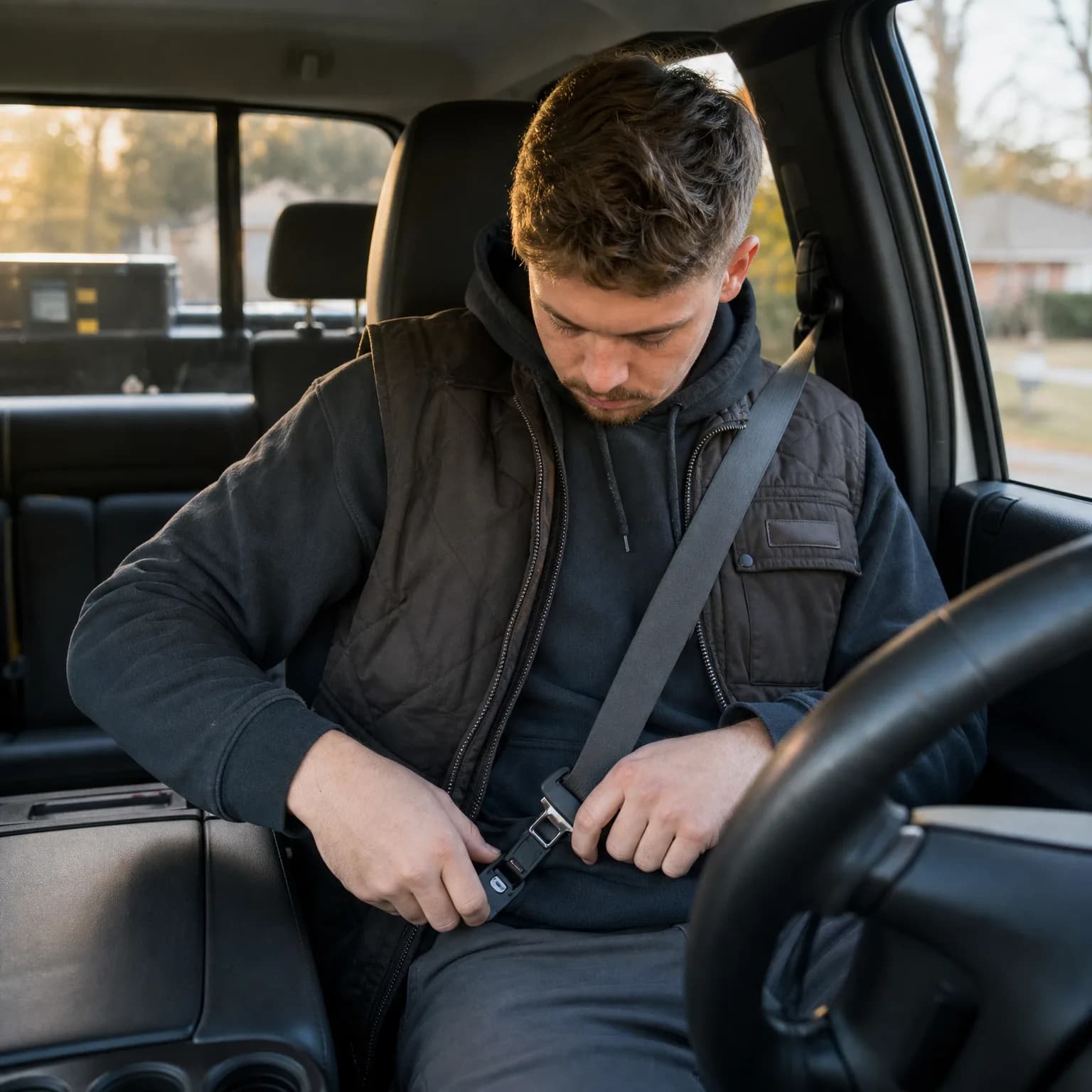
Oregon calls its restricted driving privilege a Hardship Permit. It allows limited driving for essential purposes — work, medical appointments, school, and necessary household errands — during an active suspension. You cannot apply during the initial hard suspension window: 30 days for most administrative suspensions, longer for refusal cases and judicial suspensions.
Hardship permit eligibility depends on your suspension type. DUII cases require proof of enrollment in Oregon's DUII Diversion Program (ORS 813.200) or court-ordered treatment, ignition interlock device installation, and SR-22 filing before DMV will issue the permit. The permit restricts you to specific routes and hours based on the essential need you document in your application. Violating those restrictions triggers immediate revocation of the hardship permit and extends your full suspension period.
Drivers suspended as Habitual Traffic Offenders under ORS 809.600 face a 10-year revocation and very limited hardship permit access. The waiting period before you can even apply is substantially longer than for standard DUII suspensions, and eligibility criteria are stricter. Most HTO cases require legal review before pursuing a hardship permit application.
3 years
Oregon SR-22 Filing Period
Oregon DMV requires SR-22 proof of financial responsibility for 3 years following DUII and certain serious violations. The 3-year period begins when DMV receives the SR-22 filing, not when your suspension ends. Any lapse in coverage during those 3 years triggers immediate license re-suspension.
ORS Chapter 806 (Financial Responsibility)

Reinstatement Costs and Processing Timeline
The $75 base reinstatement fee applies to administrative suspensions — points accumulation, insurance lapse, failure to appear. DUII revocations cost more, potentially $100 or higher, because they require clearing both the administrative and judicial tracks. Add court fines, SR-22 filing fees, ignition interlock installation and monthly monitoring costs if required, and alcohol treatment program fees. The total reinstatement cost for a DUII case typically runs several thousand dollars when all components are included.
Oregon DMV offers online services at oregon.gov/odot/dmv, but DUII-related and revocation cases typically require mail or in-person processing. Processing timelines vary by suspension type and whether you're applying for full reinstatement or a hardship permit. Hardship permit applications require proof of essential need, SR-22 certificate, ignition interlock compliance verification, and diversion or treatment enrollment confirmation. Incomplete applications get returned without processing, adding weeks to your timeline.
Compare Carriers Before You File
SR-22 carriers in Oregon range from non-standard specialists writing high-risk drivers exclusively to standard carriers that will file SR-22 for existing customers post-violation. Monthly premiums reflect your violation type, age, county, and how recently the suspension occurred. A 28-year-old in Multnomah County with a 6-month-old DUII will see higher quotes than a 45-year-old in rural Oregon with a 2-year-old points suspension, even though both need SR-22.
Get quotes from at least three carriers before committing. Bristol West, Dairyland, GAINSCO, Geico, Progressive, and The General all write SR-22 policies in Oregon and serve suspended-license drivers. Some carriers offer non-owner SR-22 policies for drivers without a vehicle — this satisfies Oregon's SR-22 requirement at a lower monthly cost than insuring a car you don't own. Once you file, the 3-year SR-22 period locks in. Switching carriers mid-period is possible, but any coverage gap triggers immediate re-suspension. Start with the lowest sustainable rate you can find and maintain it without interruption.
SR-22 Filing for DUII and Serious Violations
Oregon requires SR-22 for 3 years after DMV receives the filing. The 3-year clock starts when the carrier files, not when your suspension ends or when you apply for reinstatement. File early and you're counting days while still suspended. Most drivers file SR-22 at reinstatement so the 3-year period runs while they're already driving legally. If your carrier cancels the policy or you let coverage lapse during those 3 years, DMV suspends your license again immediately.
Carriers charge a small one-time filing fee set by the carrier and state. The larger cost is the premium itself — non-standard carriers write most SR-22 policies because standard carriers often non-renew after a DUII conviction. Monthly premiums vary by your age, county, vehicle, and how long it's been since the violation. Comparing carriers before filing locks you into the lowest available rate for your risk profile.
Get Your Free Quote
Get My Oregon Suspended License Insurance QuoteFrequently Asked Questions
Do I need SR-22 to reinstate my license in Oregon after a DUII suspension?
Yes. Oregon requires SR-22 proof of financial responsibility for 3 years following DUII convictions and certain other serious violations. You must file SR-22 before DMV will process your reinstatement application, and the filing must remain active for the full 3-year period.
Can I get a hardship license in Oregon while my license is suspended?
Yes, Oregon issues Hardship Permits for essential driving during suspension. You cannot apply during the initial hard suspension period (30 days minimum for most cases). DUII suspensions require ignition interlock installation, SR-22 filing, and proof of diversion or treatment enrollment before DMV will approve a hardship permit.
How much does it cost to reinstate a suspended license in Oregon?
Oregon's base reinstatement fee is $75 for most administrative suspensions. DUII revocations cost $100 or more and require clearing both administrative and judicial suspension tracks. Total reinstatement costs including SR-22 filing, ignition interlock, court fines, and treatment programs typically run several thousand dollars for DUII cases.
What is the difference between an administrative suspension and a judicial suspension in Oregon?
Administrative suspensions are imposed by Oregon DMV under implied consent law immediately after a DUII arrest (BAC failure or refusal). Judicial suspensions result from court conviction weeks or months later. Both appear on your driving record, both must be cleared before reinstatement, and both can run concurrently.
How long do I have to keep SR-22 on file in Oregon?
Oregon requires SR-22 for 3 years from the date DMV receives the filing. The 3-year period does not start when your suspension ends — it starts when your carrier files the SR-22 certificate. Any lapse in coverage during those 3 years triggers immediate license re-suspension.
Can I apply for Oregon reinstatement online?
Oregon DMV offers online services at oregon.gov/odot/dmv, but DUII-related and revocation cases typically require mail or in-person processing. Administrative suspensions for points or insurance lapse may qualify for online reinstatement if all requirements are met and no additional holds exist.
What happens if I drive on a hardship permit outside the approved hours or routes in Oregon?
Violating your Oregon Hardship Permit restrictions — driving outside approved hours, routes, or purposes — triggers immediate revocation of the permit and extends your full suspension period. The violation is a separate offense and can result in additional criminal charges.