
Non-Owner SR-22 Filing — Oregon
Free to compare
Non-Owner SR-22 After Oregon Suspension
You surrendered your car after your license was suspended, or you sold it because you couldn't drive. Now you're looking at Oregon DMV's reinstatement requirements and SR-22 is on the list. The DMV paperwork doesn't say anything about needing a vehicle — it just says you need proof of financial responsibility. You call a carrier and they ask what car you're insuring. You don't have one. The call ends. This is where most suspended drivers give up and assume reinstatement requires owning a vehicle again.
Non-owner SR-22 policies exist specifically for this situation. Oregon law requires SR-22 filing for certain suspension types — DUII (Oregon's term for DUI), implied consent violations, habitual traffic offender status — but does not require vehicle ownership. A non-owner policy satisfies the SR-22 requirement, covers you when driving borrowed or rental vehicles, and costs substantially less than standard liability coverage tied to a specific car.
“Oregon DMV does not differentiate between non-owner SR-22 and standard SR-22 for reinstatement — both satisfy proof of financial responsibility under ORS 806.010.”

Find a Oregon Insurer That Will Cover You Now
Get My Oregon Suspended License Insurance Quote$35–$75/mo
Oregon Non-Owner SR-22 Premium
Non-owner policies carry lower premiums than standard auto policies because they exclude collision and comprehensive coverage and carry higher risk thresholds for carriers. Actual cost depends on suspension trigger, age, and county.
Carrier rate data for Oregon non-owner SR-22 policies, Q1 2025
What Non-Owner SR-22 Actually Covers
A non-owner policy provides liability coverage when you drive a vehicle you do not own. It covers bodily injury and property damage you cause to others, meeting Oregon's minimum liability requirements: $25,000 per person, $50,000 per accident for bodily injury, and $20,000 for property damage. It does not cover damage to the vehicle you're driving — that's the vehicle owner's responsibility through their collision coverage.
The policy follows you, not a specific vehicle. If you borrow a friend's car, rent a car for a weekend trip, or drive a company vehicle for work, the non-owner policy provides secondary liability coverage. It kicks in when the vehicle owner's policy limits are exhausted or when the vehicle has no insurance. Most rental companies require you to carry your own liability coverage or purchase theirs at the counter — a non-owner policy satisfies that requirement and costs less over time than daily rental coverage.
Oregon DMV does not differentiate between non-owner SR-22 and standard SR-22 for reinstatement purposes. Both satisfy the proof of financial responsibility requirement under ORS 806.010. The SR-22 certificate filed by your carrier states that you carry at least Oregon's minimum liability limits. DMV receives electronic confirmation through Oregon's Insurance Reporting System and clears the SR-22 requirement from your suspension hold.

Non-owner SR-22 does not qualify you for a hardship permit allowing vehicle operation during suspension — the hardship permit requires additional IID installation and DMV approval.


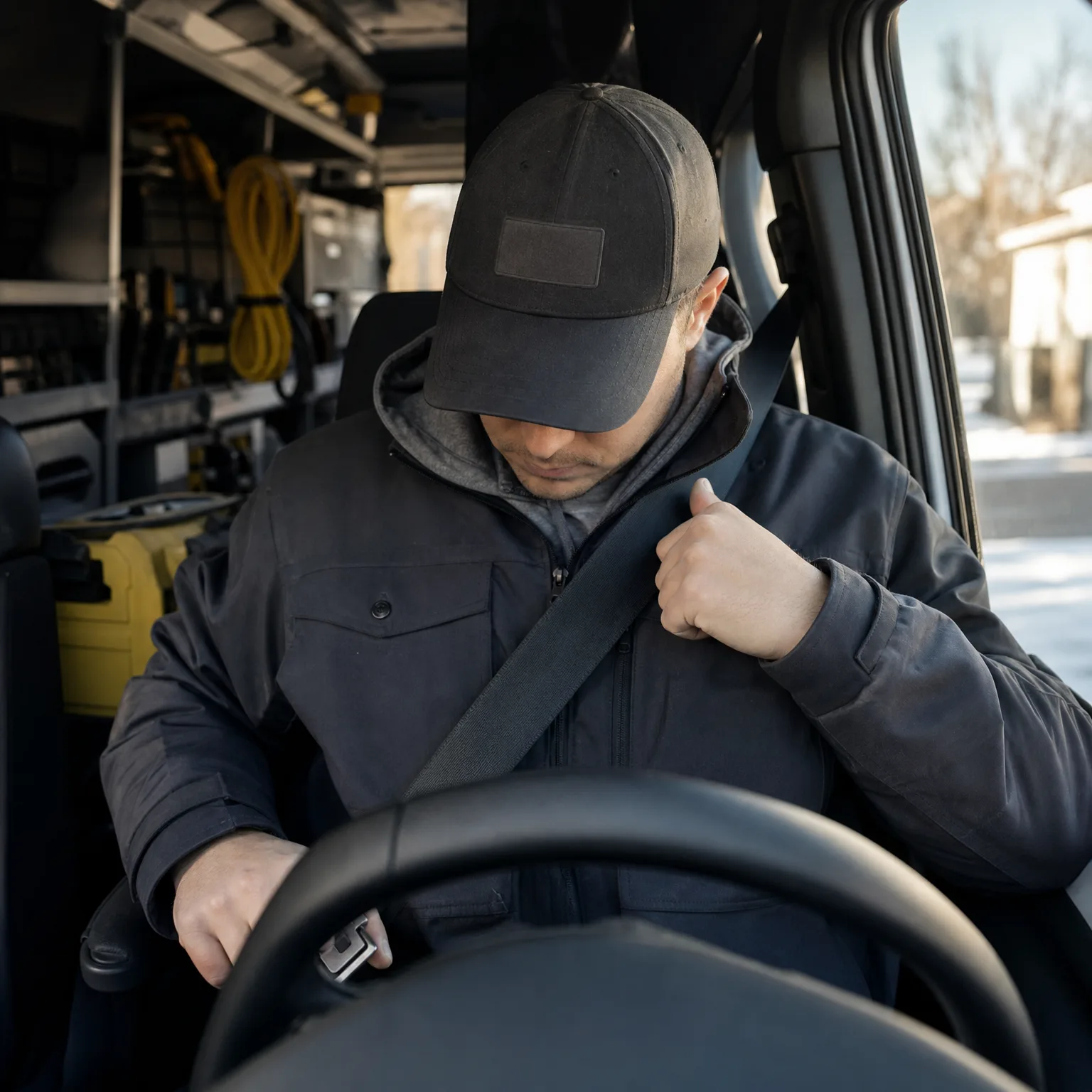
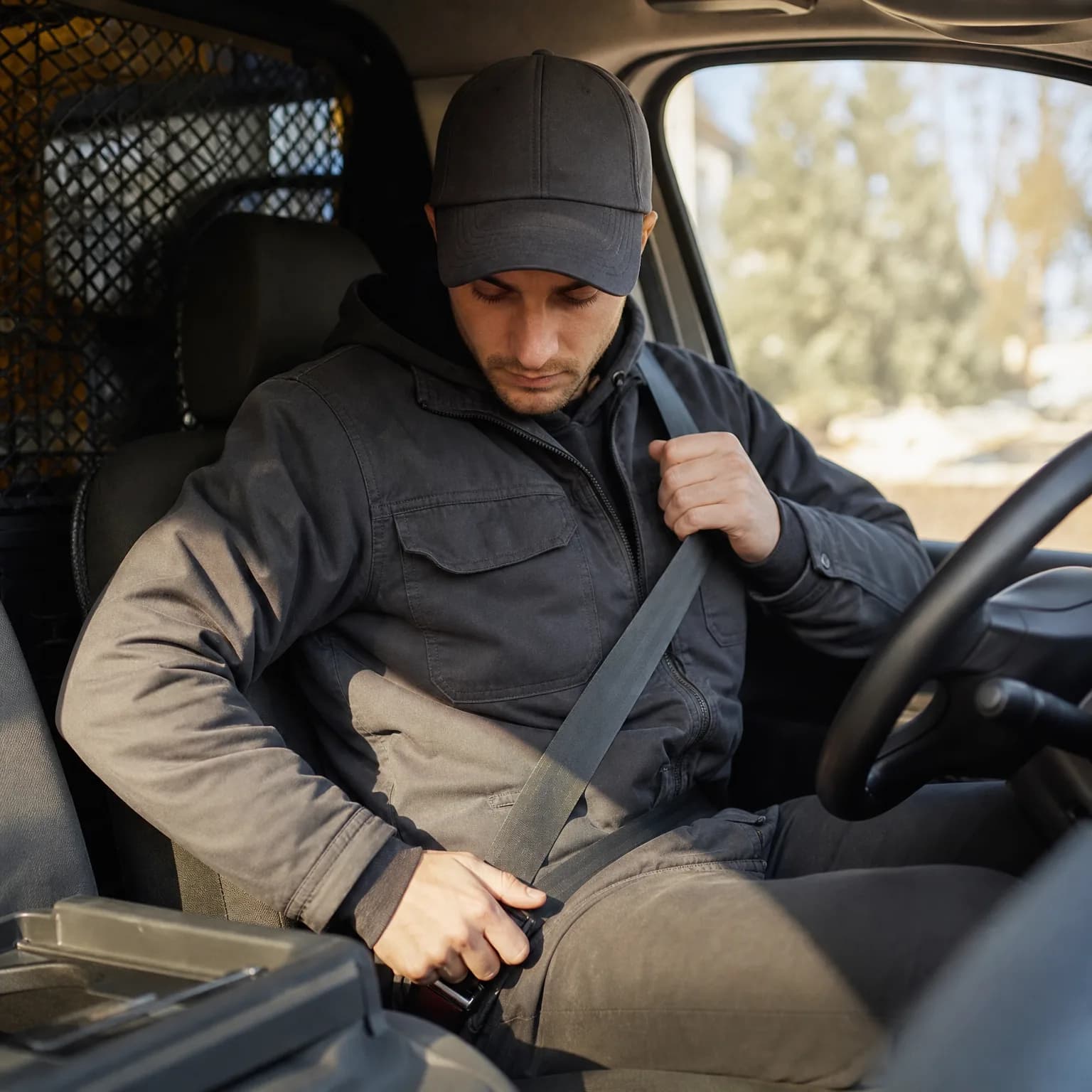


Non-Owner SR-22 and Oregon Hardship Permits
Oregon's Hardship Permit (governed by ORS 807.240) allows limited driving during suspension for essential purposes: employment, medical appointments, school, and essential household needs. If your suspension trigger was DUII-related, the hardship permit requires ignition interlock device installation in any vehicle you operate, proof of SR-22 insurance, and DMV approval after a 30-day hard suspension period.
A non-owner SR-22 policy satisfies the insurance requirement for hardship permit eligibility, but it does not cover the IID installation requirement. You must have access to a specific vehicle where the IID will be installed — borrowed, leased, or owned. The IID vendor registers the device serial number with Oregon DMV. Your hardship permit restricts you to operating only vehicles equipped with that registered IID. The non-owner policy provides liability coverage when you drive that vehicle; the vehicle owner's policy (if any) provides primary coverage.
If you do not have access to a vehicle for IID installation, a non-owner SR-22 policy alone will not qualify you for a hardship permit. In that case, the non-owner policy serves reinstatement purposes only: you maintain required SR-22 coverage during the full suspension period, satisfy Oregon's continuous coverage requirement, and when the suspension ends and you regain full driving privileges, the SR-22 filing remains active until the 3-year requirement is met.
3 years
Oregon SR-22 Filing Period
Oregon requires 3 years of continuous SR-22 coverage for DUII and certain high-risk violations, measured from the date the carrier files the SR-22, not from the conviction or suspension start date. Any lapse in coverage restarts the 3-year clock.
ORS 806.070, Oregon DMV SR-22 requirements

Maintaining Non-Owner SR-22 Without Lapses
Oregon's electronic insurance verification system monitors SR-22 filings in real time. If your non-owner policy lapses for any reason — missed payment, voluntary cancellation, carrier non-renewal — the carrier files an SR-26 cancellation notice with DMV. DMV receives the SR-26 electronically and suspends your driving privileges immediately. There is no grace period. Your reinstatement progress resets and the 3-year SR-22 clock restarts from zero when you re-establish coverage.
Set up automatic payment with your carrier to avoid missed premium due dates. Non-owner policies are billed monthly; one missed payment triggers cancellation within 10–15 days depending on carrier policy. If you need to switch carriers, purchase the new non-owner policy before canceling the old one. The new carrier files an SR-22; once DMV receives confirmation, you can cancel the old policy without triggering a lapse. Never let both policies cancel simultaneously — even a single day without active SR-22 coverage generates an SR-26 and suspends your license.
What Happens When You Buy a Vehicle
If you purchase a vehicle while carrying a non-owner SR-22 policy, you must convert to a standard auto policy with SR-22 endorsement tied to that specific vehicle. The non-owner policy no longer provides adequate coverage once you own a car. Contact your carrier immediately when you register a vehicle — most carriers writing non-owner policies also write standard auto and can convert your policy without interrupting SR-22 filing. The carrier files an updated SR-22 reflecting the new policy and vehicle; DMV receives the update electronically and your 3-year SR-22 clock continues uninterrupted.
Your premium will increase when converting from non-owner to standard auto coverage. Standard policies include collision and comprehensive coverage options (not required for SR-22, but often required by lenders if you finance the vehicle) and cover a specific VIN, which increases carrier risk exposure. Expect monthly premiums to rise from the $35–$75 non-owner range to $120–$250/month depending on the vehicle, your age, and county. The SR-22 filing fee itself does not change — it remains a one-time $25–$50 charge assessed when the carrier files the updated certificate.
How to Apply for Non-Owner SR-22 in Oregon
Contact carriers confirmed to write non-owner SR-22 in Oregon: Progressive, GEICO, The General, Bristol West, Dairyland, GAINSCO. Request a non-owner policy quote and specify that SR-22 filing is required. The carrier will ask for your suspension notice or court order to verify the SR-22 requirement and determine filing duration. Oregon typically requires 3 years of continuous SR-22 coverage for DUII cases, measured from the filing date, not the conviction date.
Once you select a carrier and pay the first month's premium, the carrier files the SR-22 electronically with Oregon DMV. Filing happens within 1–3 business days. You receive a copy of the SR-22 certificate by mail or email. Do not wait for the paper certificate to contact DMV about reinstatement — the electronic filing is what DMV uses to clear your SR-22 hold. Verify filing status through Oregon DMV's online driver record portal or by calling Driver and Motor Vehicle Services at 503-945-5000.
Get Your Free Quote
Get My Oregon Suspended License Insurance QuoteFrequently Asked Questions
Can I get a non-owner SR-22 policy if I've never owned a car?
Yes. Oregon SR-22 requirements do not depend on vehicle ownership. Non-owner policies are sold to drivers who need liability coverage for borrowed or rental vehicles and must satisfy SR-22 filing for reinstatement.
How much does non-owner SR-22 insurance cost in Oregon per month?
Non-owner SR-22 policies in Oregon typically cost $35–$75/month, significantly less than standard auto policies. Cost varies by suspension trigger, age, and county. DUII-related suspensions carry higher premiums.
Does a non-owner SR-22 policy cover rental cars in Oregon?
Yes. Non-owner policies provide secondary liability coverage when you rent a vehicle. The policy covers bodily injury and property damage you cause to others, meeting Oregon's minimum liability requirements and satisfying most rental company insurance requirements.
What happens if my non-owner SR-22 policy lapses in Oregon?
Your carrier files an SR-26 cancellation notice with Oregon DMV. DMV suspends your driving privileges immediately with no grace period. The 3-year SR-22 filing requirement restarts from zero when you re-establish coverage.
Can I use a non-owner SR-22 policy to get an Oregon hardship permit?
A non-owner policy satisfies the insurance requirement for hardship permit eligibility, but you must also have access to a vehicle with an installed ignition interlock device registered to Oregon DMV. The policy alone does not qualify you without the IID requirement met.
Which carriers sell non-owner SR-22 policies in Oregon?
Progressive, GEICO, The General, Bristol West, Dairyland, and GAINSCO write non-owner SR-22 policies in Oregon. State Farm and most preferred-tier carriers do not offer non-owner coverage.