
Non-Owner SR-22 Insurance — Oregon
Free to compare
You Lost Your License But Not Your Vehicle Obligation
Your Oregon license is suspended for DUI, lapsed insurance, or excessive points. You sold your car weeks ago or never owned one. The DMV reinstatement letter says you need proof of insurance and SR-22 filing before they'll restore your license. You call a carrier and they quote you $220/month for standard auto insurance on a vehicle you don't have. The quote makes no sense because you're not insuring a car — you're satisfying a state filing requirement. Most suspended drivers don't realize Oregon accepts non-owner SR-22 policies for this exact scenario.
Non-owner SR-22 insurance is a liability-only policy designed for drivers who need SR-22 proof of financial responsibility but don't own or regularly drive a vehicle. It costs significantly less than standard auto insurance because it carries no collision or comprehensive coverage and insures you as a driver rather than a specific vehicle. Oregon DMV accepts non-owner SR-22 filings for reinstatement in most suspension types, and carriers write these policies specifically for first-time SR-22 filers navigating license restoration.
“Non-owner SR-22 costs half what standard auto SR-22 costs and meets Oregon DMV requirements identically — most suspended drivers never learn this option exists.”

Find a Oregon Insurer That Will Cover You Now
Get My Oregon Suspended License Insurance Quote$35–$65/mo
Non-Owner SR-22 Premium Oregon
Non-owner SR-22 policies in Oregon typically cost $35–$65 per month for drivers with one DUI or violation-based suspension. Standard auto SR-22 policies for the same driver run $140–$220/month. The cost difference reflects the absence of vehicle coverage — non-owner policies provide only liability protection when you drive a borrowed or rental vehicle.
Estimates based on available industry data; individual rates vary
What Non-Owner SR-22 Actually Covers in Oregon
Non-owner SR-22 policies meet Oregon's minimum liability requirements: $25,000 bodily injury per person, $50,000 bodily injury per accident, and $20,000 property damage. The policy covers you when you drive a vehicle you do not own — a friend's car, a rental, a borrowed vehicle. It does not cover a vehicle registered in your name or a vehicle you use regularly. If you borrow your roommate's car and cause an accident, the non-owner policy provides liability coverage after the vehicle owner's policy limits are exhausted.
The SR-22 component is a financial responsibility certificate the carrier files electronically with Oregon DMV. It proves you maintain continuous liability coverage. Oregon requires SR-22 filing for three years after DUI conviction, measured from the conviction date. If your policy lapses during that period, the carrier notifies DMV within 48 hours and your license is re-suspended immediately. The non-owner policy keeps the SR-22 active without requiring you to own or insure a vehicle.
Personal Injury Protection and Uninsured Motorist coverage are required on all Oregon auto policies, including non-owner policies. Your non-owner SR-22 will include minimum PIP coverage and UM coverage at the same limits as your liability coverage. These requirements add roughly $8–$15 to the monthly premium but are non-negotiable under Oregon insurance law.
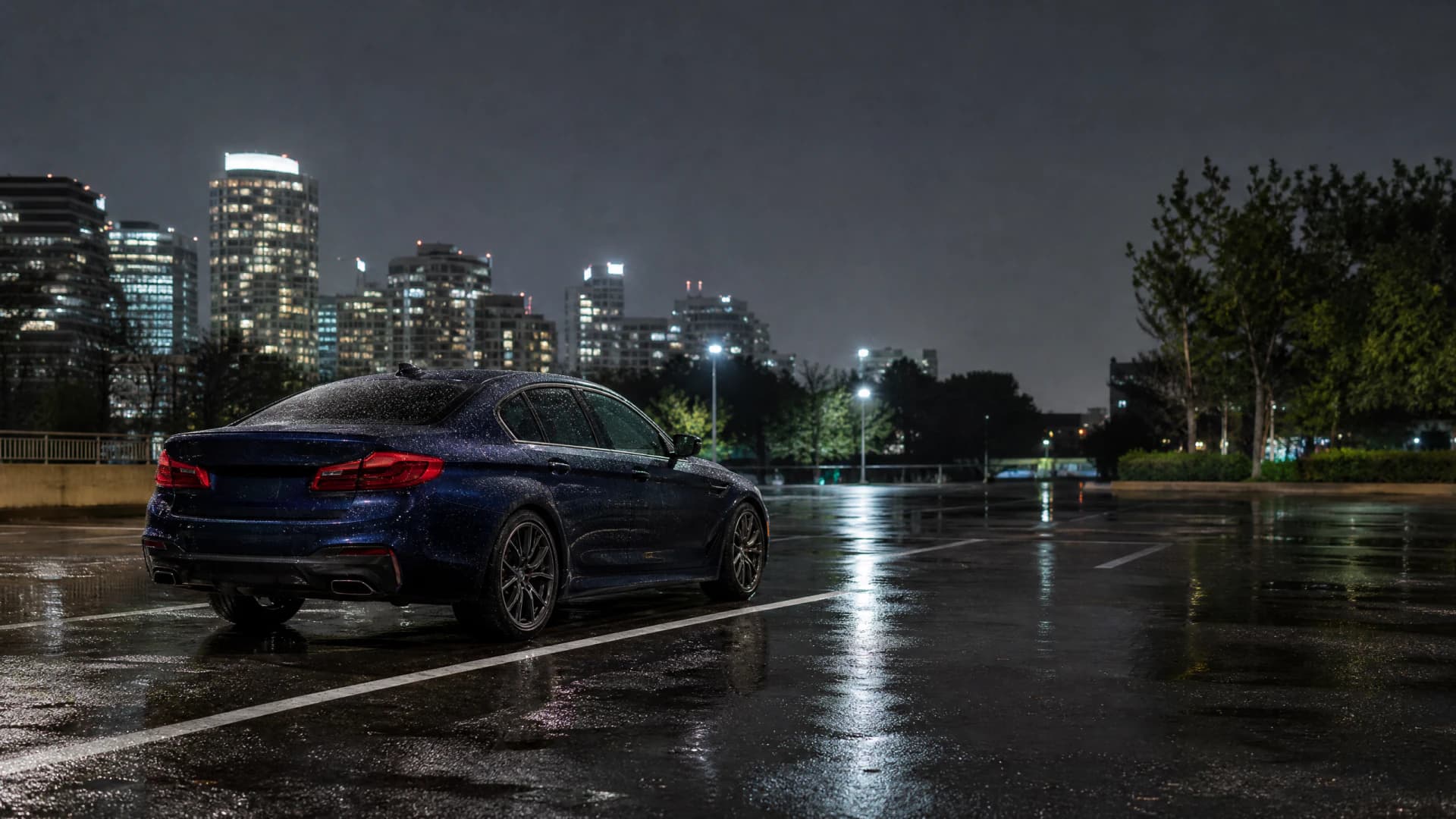
If you own a vehicle registered in your name, Oregon DMV will not accept a non-owner SR-22 for reinstatement. The policy must match your actual vehicle ownership status at the time of filing.




Reinstatement Steps After Non-Owner SR-22 Filing
Once the SR-22 posts to your Oregon driver record, you must complete any other reinstatement requirements specific to your suspension type. DUI suspensions require completion of a state-approved alcohol and drug treatment program and payment of the $100 DUII reinstatement fee in addition to the $75 base reinstatement fee. Points-based suspensions and insurance lapse suspensions typically require only the $75 base fee and proof of SR-22 filing. Unpaid ticket suspensions require clearance of all outstanding fines before reinstatement will be processed.
Oregon DMV processes reinstatement applications by mail or in person at any DMV field office. Online reinstatement is not available for DUII or revocation cases. Submit proof of SR-22 filing (your insurance policy declarations page showing the SR-22 endorsement), proof of treatment completion if required, and payment for all applicable fees. Processing takes 5–10 business days by mail, same-day if processed in person at a field office. Your license will not be valid until DMV confirms reinstatement and issues a new license card.
If you applied for a Hardship Permit during your suspension period, that permit expires automatically when your full license is reinstated. You do not need to surrender the permit separately. The non-owner SR-22 policy must remain active for the full three-year filing period even after reinstatement. If you purchase a vehicle during that period, you must convert to a standard auto SR-22 policy covering the registered vehicle — the non-owner policy will no longer meet Oregon's requirements once you own a car.
3 years
Oregon SR-22 Filing Period
Oregon requires continuous SR-22 filing for three years after a DUI conviction or certain high-risk violations. The period begins on the conviction date, not the filing date. If your policy lapses at any point during those three years, DMV re-suspends your license immediately and the three-year clock does not reset — you must maintain coverage through the original end date.
ORS 806.010, ORS 806.070

When Non-Owner SR-22 Does Not Work
Non-owner SR-22 policies are structured for drivers who truly do not own or regularly use a vehicle. If you live with a family member who owns a car and you drive that car more than occasionally, most carriers will deny a non-owner policy and require you to be added as a named driver on the vehicle owner's policy with SR-22 endorsement. If a vehicle is registered in your name — even if you're not currently driving it — Oregon DMV will reject the non-owner SR-22 filing and require a standard auto SR-22 covering the registered vehicle.
Commercial drivers who lost a CDL after a personal-vehicle DUI face additional complications. Oregon does not issue hardship permits for CDL holders, and non-owner SR-22 policies do not reinstate commercial driving privileges. You must complete the personal license reinstatement process first, maintain the SR-22 for the required period, then reapply for CDL separately. Non-owner SR-22 satisfies the personal license requirement but does not shorten the CDL disqualification period.
Compare Non-Owner SR-22 Carriers in Oregon
Not all carriers writing SR-22 in Oregon offer non-owner policies, and those that do price them differently based on your violation type and suspension history. GEICO, Progressive, and The General write non-owner SR-22 for first-time DUI filers in Oregon. Dairyland and Bristol West specialize in high-risk non-owner policies and typically quote lower premiums for drivers with multiple violations. GAINSCO entered the Oregon market in 2022 and writes non-owner SR-22 with same-day electronic filing. USAA writes non-owner SR-22 for eligible military members and their families.
Request quotes from at least three carriers. Premium variation for the same coverage can exceed $40/month depending on the carrier's underwriting model for non-owner SR-22 risk. Verify that the quoted policy includes Oregon's required PIP and Uninsured Motorist coverage — some online quote tools exclude these by default and the final premium will be higher. Confirm the carrier files SR-22 electronically with Oregon DMV and ask for the expected filing timeline. Paper SR-22 filings can delay reinstatement by 10–15 business days; electronic filings post within 24–72 hours.
How to File Non-Owner SR-22 With Oregon DMV
Contact a carrier that writes non-owner SR-22 policies in Oregon. Not all carriers offer this product — GEICO, Progressive, The General, Dairyland, Bristol West, GAINSCO, and USAA all write non-owner SR-22 in Oregon as of current licensing data. Request a non-owner SR-22 policy explicitly. If the agent quotes standard auto insurance, clarify that you do not own a vehicle and need a non-owner policy. The carrier will issue the policy and file the SR-22 certificate electronically with Oregon DMV Driver and Motor Vehicle Services Division within 24–72 hours of policy activation.
Oregon DMV does not send confirmation when the SR-22 is received. The filing appears in your driver record, which you can check online at oregondmv.com or by calling 503-945-5000. Wait 3–5 business days after policy activation, then verify the SR-22 is on file before paying the reinstatement fee. If you pay the $75 reinstatement fee before the SR-22 posts, DMV will not process your reinstatement and you'll need to resubmit documentation. The SR-22 must be active in DMV systems before reinstatement can proceed.
Get Your Free Quote
Get My Oregon Suspended License Insurance QuoteFrequently Asked Questions
Can I get non-owner SR-22 insurance in Oregon if I lost my license for DUI?
Yes. Oregon accepts non-owner SR-22 policies for DUI reinstatement as long as you do not own or regularly drive a vehicle. The policy must include Oregon's minimum liability limits, PIP, and Uninsured Motorist coverage. GEICO, Progressive, The General, Dairyland, and Bristol West all write non-owner SR-22 for DUI filers in Oregon. The SR-22 must remain active for three years from your conviction date.
How much does non-owner SR-22 insurance cost in Oregon?
Non-owner SR-22 policies in Oregon typically cost $35–$65 per month for drivers with one DUI or violation-based suspension. Premiums vary by carrier, violation type, and age. Drivers with multiple DUIs or recent at-fault accidents pay $80–$120/month. Standard auto SR-22 for the same driver runs $140–$220/month, so non-owner policies cost roughly half as much because they carry no vehicle coverage.
Will Oregon DMV accept non-owner SR-22 if I own a car?
No. If a vehicle is registered in your name, Oregon DMV requires a standard auto SR-22 policy covering that vehicle. Non-owner SR-22 is only valid when you do not own or regularly use a vehicle. If you purchase a car during your SR-22 filing period, you must convert from non-owner to standard auto SR-22 immediately or your filing will be rejected and your license re-suspended.
How long does it take for non-owner SR-22 to file with Oregon DMV?
Carriers filing electronically post SR-22 certificates to Oregon DMV within 24–72 hours of policy activation. Paper SR-22 filings take 10–15 business days. Wait 3–5 business days after your policy activates, then check your driver record at oregondmv.com to confirm the SR-22 is on file before paying reinstatement fees. Oregon DMV does not send confirmation when the SR-22 is received.
Do I need non-owner SR-22 if I'm applying for an Oregon Hardship Permit?
Yes, if your suspension type requires SR-22 filing. Oregon Hardship Permits for DUI and certain high-risk violations require proof of SR-22 before the permit is issued. Non-owner SR-22 satisfies this requirement if you do not own a vehicle. The SR-22 must remain active for the duration of the hardship permit and continue through your full reinstatement and the required three-year filing period.
Can I switch from non-owner SR-22 to standard auto SR-22 in Oregon without restarting the filing period?
Yes. If you purchase a vehicle during your SR-22 filing period, contact your carrier to convert the non-owner policy to a standard auto SR-22 covering the registered vehicle. The carrier will cancel the non-owner policy and issue a new SR-22 certificate for the vehicle policy. The three-year filing period does not restart — it continues from your original conviction date. Notify your carrier within 30 days of vehicle purchase to avoid a lapse.
Which Oregon carriers write non-owner SR-22 policies for first-time filers?
GEICO, Progressive, The General, Dairyland, Bristol West, GAINSCO, and USAA all write non-owner SR-22 in Oregon for first-time DUI and violation-based suspensions. Not all carriers offer this product — State Farm, Allstate, and Farmers typically do not write non-owner policies in Oregon. Request a non-owner SR-22 quote explicitly when contacting carriers; agents may quote standard auto by default if you don't specify.