
Non-Owner SR-22 Insurance — Oregon
Free to compare
Oregon SR-22 Without a Vehicle
You sold your car after the suspension. You take TriMet to work. You don't own anything that requires registration. But Oregon DMV's reinstatement letter says you need SR-22 proof of financial responsibility to get your license back, and every carrier website assumes you're insuring a vehicle you drive daily.
Non-owner SR-22 insurance exists specifically for Oregon drivers in your position: suspended license, no vehicle, reinstatement contingent on filing. It satisfies the same ORS 806.070 financial responsibility requirement as a standard policy, costs substantially less because there's no vehicle to cover, and is available from multiple carriers writing in Oregon. The confusion comes from how carriers present their products—non-owner policies are rarely advertised prominently because most suspended drivers do own cars.
“Non-owner SR-22 costs 40–60% less than insuring an owned vehicle because the policy only covers you when driving borrowed or rental cars.”

Find a Oregon Insurer That Will Cover You Now
Get My Oregon Suspended License Insurance Quote$25–$45/mo
Oregon Non-Owner SR-22 Premium
Non-owner SR-22 policies in Oregon typically cost $25–$45 per month for state minimum liability coverage plus the SR-22 endorsement. This is 40–60% less than insuring an owned vehicle with the same filing requirement because the policy only covers you when driving borrowed or rental vehicles.
Estimates based on carrier filings for Oregon non-owner liability products
What Non-Owner SR-22 Actually Covers
A non-owner SR-22 policy provides Oregon's mandatory liability coverage—$25,000 bodily injury per person, $50,000 per accident, $20,000 property damage—whenever you drive a vehicle you don't own. It applies to borrowed cars, rental vehicles, or employer-owned vehicles during personal use. The SR-22 certificate attached to the policy proves to Oregon DMV that you're maintaining continuous financial responsibility coverage.
The policy does not cover vehicles you own, vehicles registered to you, or vehicles available for your regular use (such as a household member's car you drive routinely). If you buy a car or gain regular access to one while the non-owner policy is active, you must switch to a standard auto policy with SR-22 endorsement—keeping the non-owner policy after acquiring a vehicle violates the policy terms and Oregon DMV will suspend your license again if the carrier discovers it.
Non-owner policies include Oregon's required personal injury protection coverage and uninsured motorist coverage at the same minimums as standard policies. The SR-22 filing itself is not insurance—it's a form your carrier electronically files with Oregon DMV certifying that you carry at least the state minimum liability limits. The $25 SR-22 filing fee is a one-time charge; the monthly premium is for the actual liability coverage.
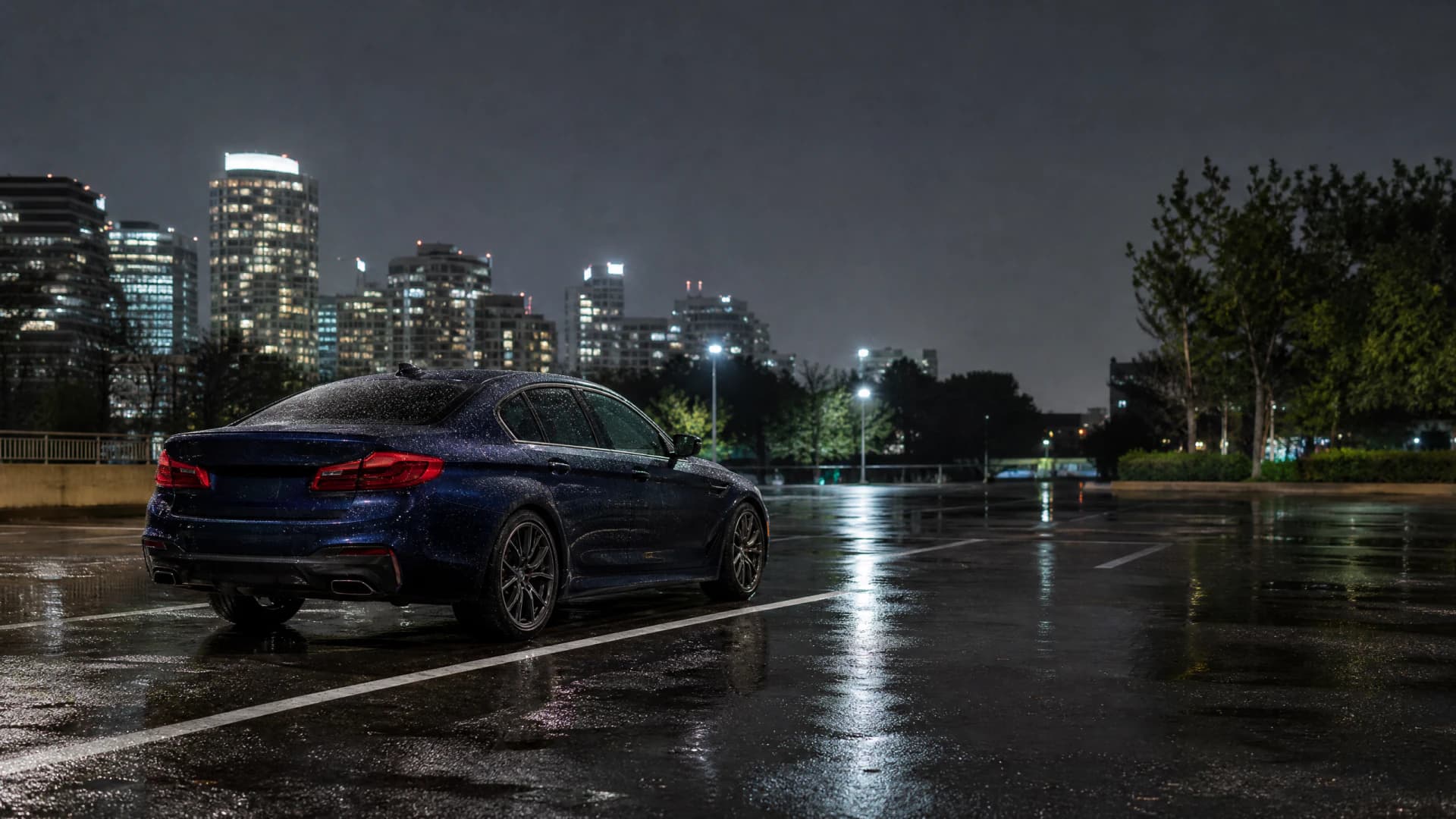
Oregon DMV suspends your license again if your non-owner SR-22 policy lapses for any reason—even one missed payment. The carrier reports the cancellation electronically within 24 hours.


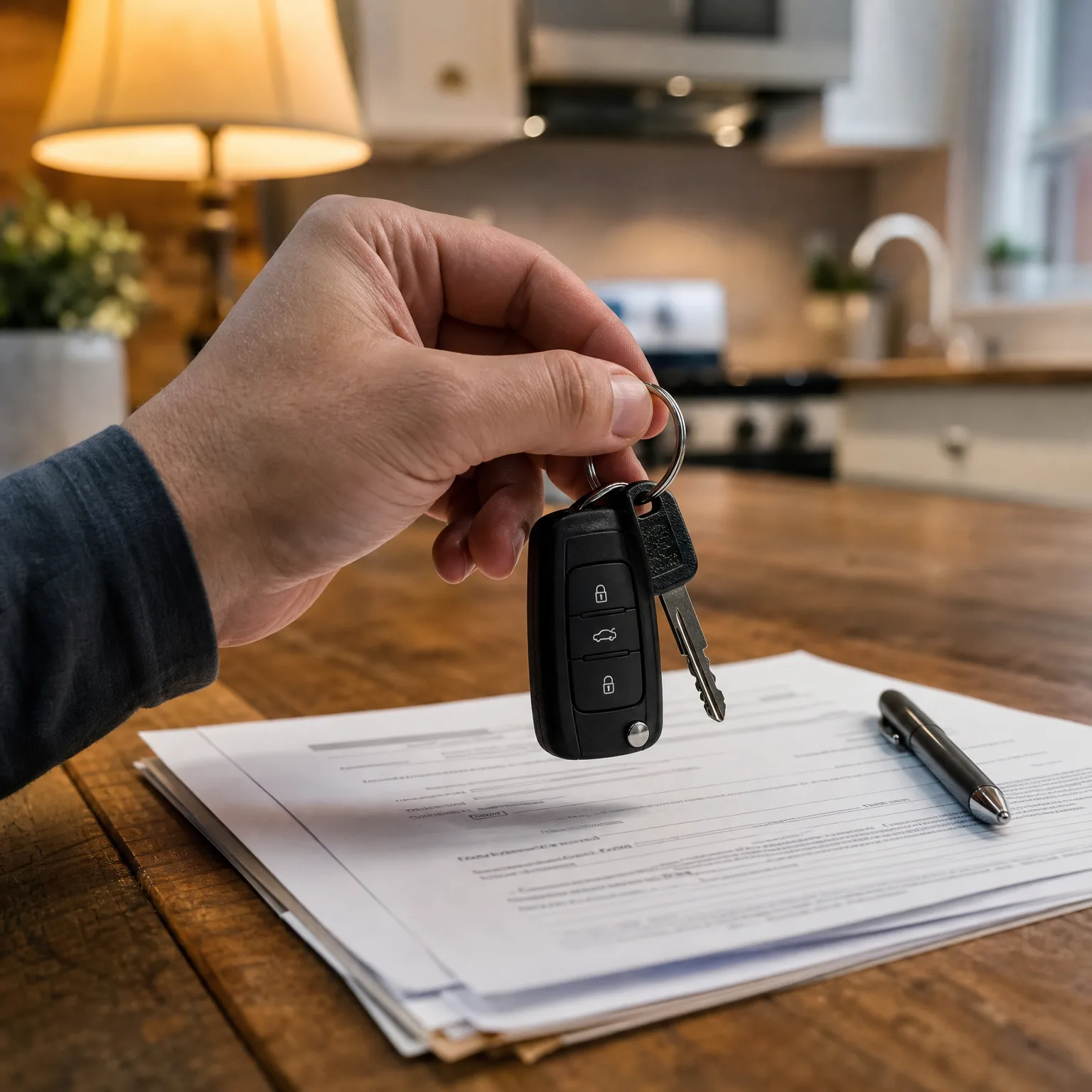




Oregon Hardship Permit and Non-Owner SR-22
Oregon's Hardship Permit program allows restricted driving during suspension for employment, medical, education, or essential household needs. The permit requires SR-22 proof of financial responsibility and ignition interlock device installation for DUII-related suspensions under ORS 807.240 and ORS 813.520. Non-owner SR-22 policies satisfy the SR-22 requirement for hardship permit applicants who don't own vehicles.
The hardship permit application goes through Oregon DMV, not the courts. You must provide proof of essential need, SR-22 insurance certificate, and additional documentation depending on suspension reason. The permit restricts you to specific routes and hours tied to your stated need—work commute only, medical appointments only, or other DMV-approved purposes. Violating the route or time restrictions triggers immediate revocation.
Oregon's DUII Diversion Program under ORS 813.200 allows first-time DUII offenders to apply for a hardship permit after a 30-day hard suspension, contingent on diversion enrollment and ignition interlock installation. This is a Oregon-specific pathway not available in most states. Non-owner SR-22 satisfies the insurance requirement for diversion participants without vehicles, but the ignition interlock requirement still applies—you must have the device installed in any vehicle you drive under the hardship permit, even if it's a borrowed car.
3 years
Oregon SR-22 Filing Period
Oregon requires SR-22 filing for 3 years after DUII conviction or certain serious suspension types, measured from the reinstatement date, not the conviction date. Letting the policy lapse at any point during the 3-year period restarts the clock—you must maintain continuous coverage for the full period or the filing requirement begins again from the date you refile.
ORS Chapter 806 financial responsibility statutes
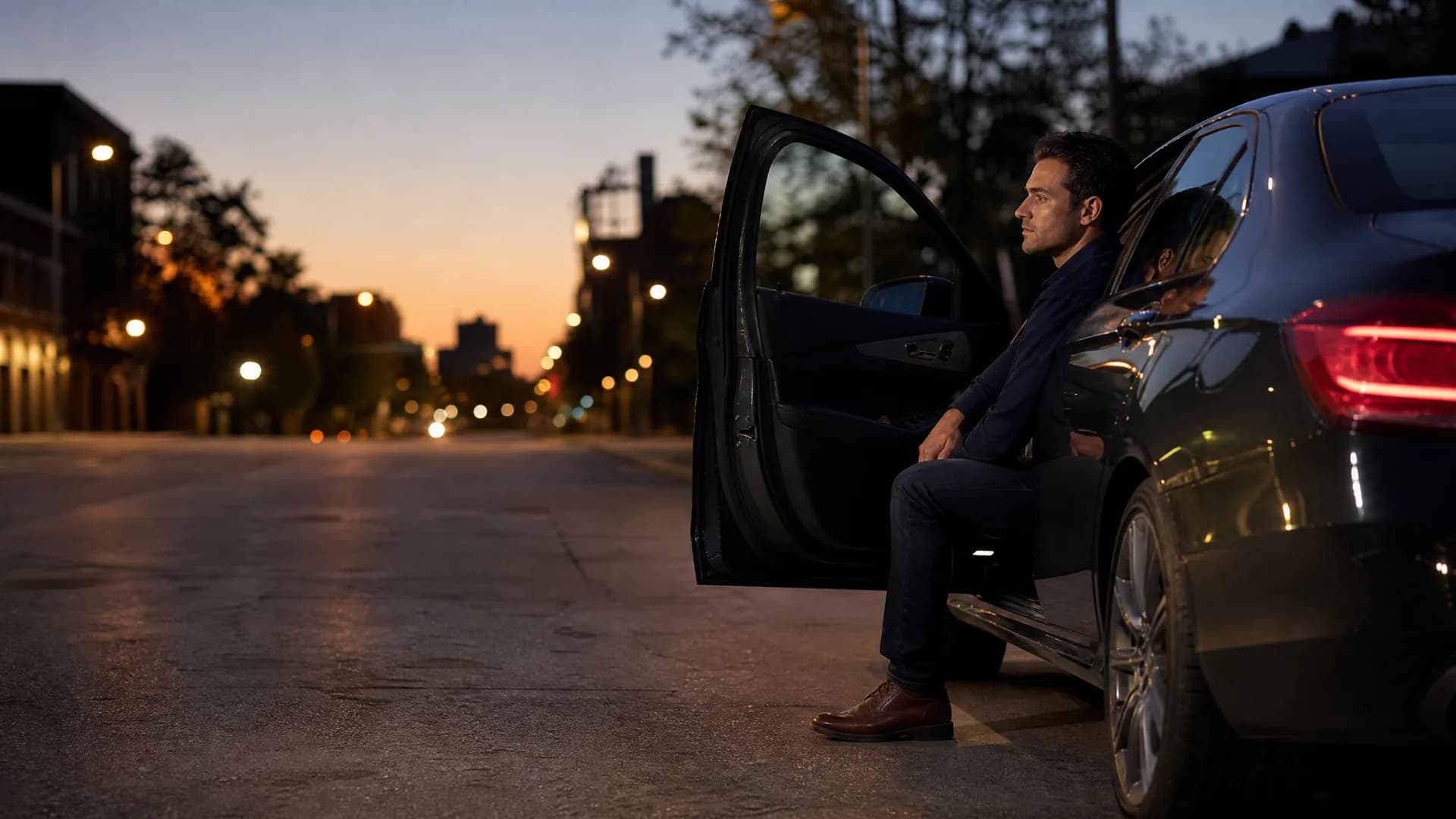
Switching from Non-Owner to Standard Policy
When you buy a vehicle or gain regular access to one, notify your carrier immediately to switch from non-owner to standard auto policy with SR-22 endorsement. The SR-22 filing must remain continuous—there cannot be a gap between the non-owner policy cancellation and the standard policy effective date, or Oregon DMV will suspend your license again for lapse of financial responsibility.
Most carriers writing non-owner SR-22 also write standard auto policies and can process the switch without filing interruption. Request the standard policy effective date to match the non-owner cancellation date exactly. The carrier files an SR-22 update with Oregon DMV showing the new policy details, and the 3-year SR-22 clock continues uninterrupted. If you switch carriers entirely, coordinate the timing so the new carrier files SR-22 before the old policy cancels.
Reinstatement Steps with Non-Owner SR-22
Oregon reinstatement after suspension requires: paying the $75 base reinstatement fee (higher for DUII revocations), completing any required treatment or education programs, clearing outstanding tickets or fines, and filing SR-22 proof of financial responsibility. The SR-22 must be on file with Oregon DMV before they will process reinstatement—buying the policy is not enough; the carrier must electronically transmit the filing and DMV must confirm receipt.
After the carrier files SR-22, Oregon DMV typically processes the certificate within 1–3 business days. You can verify receipt by calling DMV Driver Records at 503-945-5000 or checking online at oregondmv.com if you have an account. Once DMV confirms SR-22 is on file and all other reinstatement conditions are met, you can pay the reinstatement fee and schedule any required retest. The license is not valid until DMV issues the physical or digital credential—driving on an expired or suspended license even after paying fees is still a violation if the credential has not been officially reinstated.
DUII-related reinstatements in Oregon carry additional steps beyond the base $75 fee. You must complete a DUII Victim Impact Panel, provide proof of treatment enrollment if ordered, and install an ignition interlock device if required. The reinstatement fee for DUII revocation is higher than the base $75—verify the current fee with Oregon DMV as it has changed over time and varies by offense severity.
Carriers Writing Non-Owner SR-22 in Oregon
Progressive, GEICO, and The General offer non-owner SR-22 policies with direct online quoting in Oregon. Progressive's quote flow includes a specific non-owner option during the vehicle entry step. GEICO routes non-owner applicants through phone underwriting after the online quote attempt. The General lists Oregon on its SR-22 DMV contact page and writes high-risk non-owner policies statewide.
Bristol West, Dairyland, GAINSCO, and USAA write non-owner SR-22 in Oregon but require broker involvement or phone application. Bristol West works exclusively through independent agents and specializes in non-standard risk. Dairyland operates through agents in 38 states including Oregon. GAINSCO launched Oregon coverage in 2022 and accepts non-owner SR-22 applications by phone. USAA restricts eligibility to military members and families but writes non-owner policies for eligible applicants with SR-22 filing requirements.
Get Your Free Quote
Get My Oregon Suspended License Insurance QuoteFrequently Asked Questions
Can I get SR-22 in Oregon without owning a car?
Yes. Non-owner SR-22 insurance provides Oregon's mandatory liability coverage and SR-22 filing for drivers who don't own vehicles. Eight carriers write non-owner policies in Oregon, including Progressive, GEICO, Bristol West, and Dairyland. The policy satisfies ORS 806.070 financial responsibility requirements for reinstatement.
How much does non-owner SR-22 cost in Oregon?
Non-owner SR-22 policies in Oregon typically cost $25–$45 per month for state minimum liability coverage plus the SR-22 endorsement. This is substantially less than insuring an owned vehicle with SR-22 because the policy only covers you when driving borrowed or rental vehicles. The $25 SR-22 filing fee is a one-time charge separate from the monthly premium.
What happens if my non-owner SR-22 policy lapses in Oregon?
Oregon DMV suspends your license again immediately if your non-owner SR-22 policy lapses for any reason, including missed payments. Carriers report cancellations electronically to DMV within 24 hours. You must refile SR-22 and the 3-year filing period restarts from the date you refile, not from your original reinstatement date.
Does non-owner SR-22 cover rental cars in Oregon?
Yes. Non-owner SR-22 policies provide liability coverage when you drive rental vehicles in Oregon or other states. The coverage applies as secondary insurance if the rental company's policy is primary, or as primary if you decline the rental company's coverage. Check your specific policy terms for rental vehicle coverage limits.
Can I get a hardship permit in Oregon with non-owner SR-22?
Yes. Oregon's Hardship Permit program accepts non-owner SR-22 policies as proof of financial responsibility. You must still meet all other hardship permit requirements: proof of essential need, ignition interlock installation for DUII-related suspensions, and DMV approval of your stated purpose and route restrictions.
Which Oregon carriers write non-owner SR-22 policies?
Progressive, GEICO, The General, Bristol West, Dairyland, GAINSCO, Kemper, and USAA write non-owner SR-22 policies in Oregon. Progressive, GEICO, and The General offer online quoting. Bristol West, Dairyland, and GAINSCO require working through independent agents or calling directly.
What does non-owner SR-22 not cover in Oregon?
Non-owner SR-22 does not cover vehicles you own, vehicles registered to you, or vehicles available for your regular use such as a household member's car. If you buy a vehicle or gain regular access to one, you must switch to a standard auto policy with SR-22 or Oregon DMV will suspend your license again.
How long do I need SR-22 in Oregon after a DUII?
Oregon requires SR-22 filing for 3 years after DUII conviction, measured from the reinstatement date. The filing must remain continuous—any lapse restarts the 3-year clock. You cannot cancel the SR-22 early even if you don't drive; the requirement is tied to your license reinstatement, not vehicle ownership.