
Progressive Non-Owner SR-22 — Oregon
Free to compare
When Oregon DMV Requires SR-22 But You Don't Own a Car
Your license was suspended after a DUII conviction or implied consent violation. Oregon DMV's reinstatement letter says you need SR-22 insurance on file for three years before they'll process your hardship permit application or full reinstatement. You sold your car months ago, don't plan to buy another one soon, and don't understand why the state wants you to insure a vehicle you don't own.
Progressive's non-owner SR-22 policy solves this specific procedural gap. The policy provides liability coverage when you drive someone else's car with permission and files the SR-22 certificate Oregon DMV requires to track your continuous coverage. You satisfy the state's filing requirement without paying to insure a car you don't own.
“Non-owner SR-22 works when you genuinely do not own a vehicle and only occasionally borrow cars from friends.”

Find a Oregon Insurer That Will Cover You Now
Get My Oregon Suspended License Insurance Quote$35–$65/mo
Progressive Non-Owner Premium Oregon
Monthly cost varies by age, violation history, and county. DUII convictions and implied consent suspensions push premiums toward the upper end of this range. Estimates based on available industry data; individual rates vary.
Progressive rate filings, Oregon Insurance Division
What Progressive Non-Owner SR-22 Actually Covers
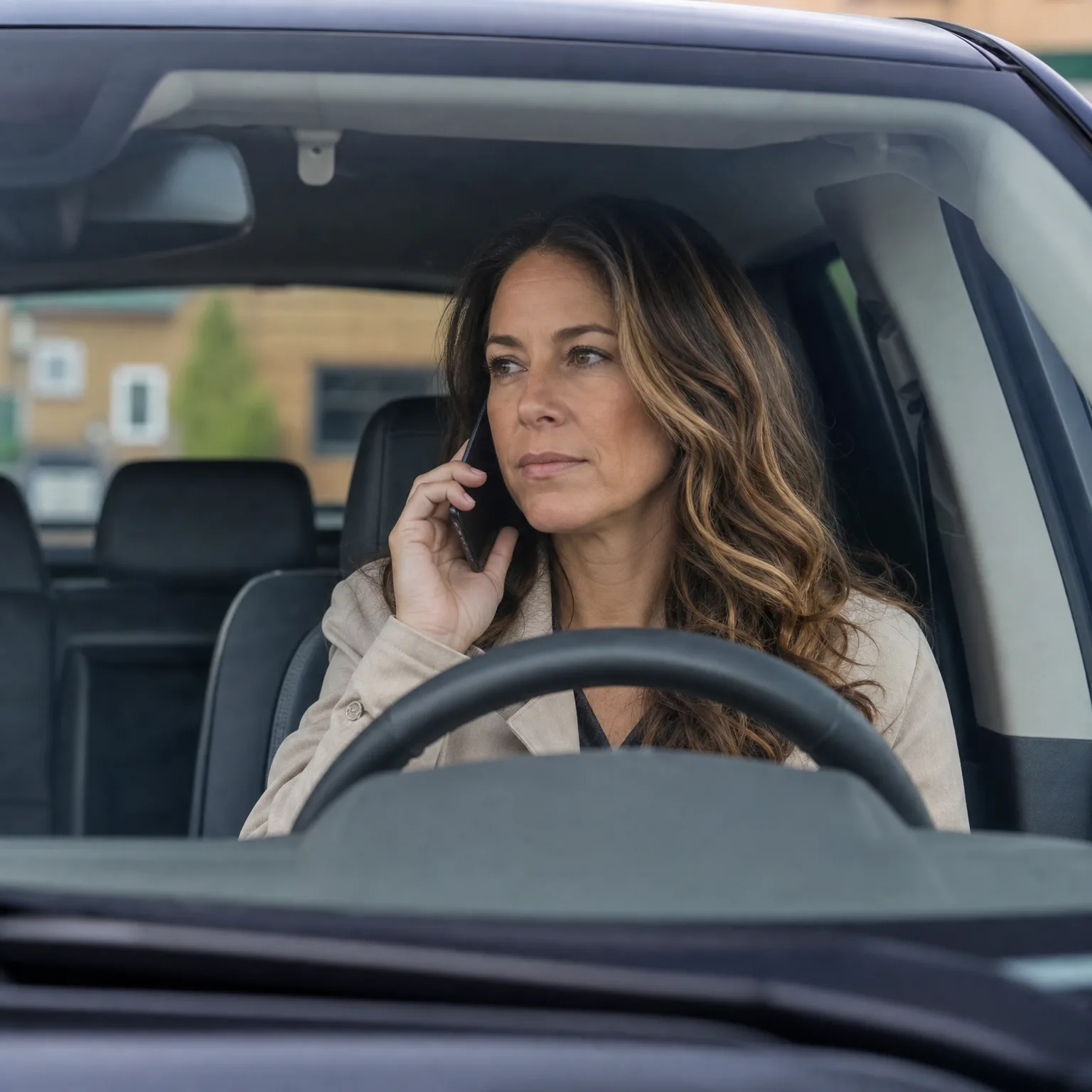
Progressive's non-owner policy provides liability coverage when you drive a car you don't own: a friend's vehicle, a family member's car, or a coworker's truck. The policy pays for injuries and property damage you cause to other people while driving that borrowed vehicle, up to Oregon's minimum liability limits of $25,000 per person, $50,000 per accident for bodily injury, and $20,000 for property damage.
The policy does not cover damage to the car you're driving. It does not cover rental cars in most cases. It does not cover vehicles registered to someone in your household. Progressive's non-owner SR-22 is narrow-purpose liability coverage designed to satisfy Oregon's financial responsibility filing requirement when you don't have regular access to a specific vehicle.

Non-owner SR-22 does not satisfy Oregon DMV's hardship permit requirement if you plan to drive a household member's car regularly. DMV requires that vehicle to carry its own standard policy naming you.





Progressive Non-Owner vs Standard Policy for Oregon Reinstatement
If you own a car or plan to buy one during your SR-22 filing period, you need a standard auto policy with SR-22 endorsement, not a non-owner policy. Oregon law requires anyone who registers a vehicle to carry liability coverage on that specific vehicle. A non-owner policy does not satisfy this requirement.
If someone in your household owns a car you drive regularly, Oregon DMV considers you a household driver. Their vehicle's policy must list you as a covered driver and carry the SR-22 filing. A non-owner policy in your name will not satisfy the hardship permit or reinstatement requirement in this scenario because you have regular access to a household vehicle.
Non-owner SR-22 works when you genuinely do not own a vehicle, do not live with someone whose car you drive often, and only occasionally borrow cars from friends or coworkers. If your situation changes and you buy a car or move in with someone who owns one, you must switch to a standard policy immediately. Oregon DMV tracks policy type. Filing a non-owner SR-22 when you own or regularly access a vehicle can delay reinstatement or trigger hardship permit revocation.
3 years
Oregon SR-22 Filing Duration
Oregon requires SR-22 filing for three years after DUII conviction or implied consent suspension, measured from the conviction date or DMV's administrative suspension order date. The filing must remain active and continuous. Any lapse longer than 30 days restarts the three-year clock.
ORS 806.010, Oregon DMV SR-22 requirements

What Happens If You Let Progressive Non-Owner SR-22 Lapse
If you miss a payment and Progressive cancels your non-owner policy for non-payment, they notify Oregon DMV electronically within 10 days. DMV suspends your driving privileges immediately upon receiving the lapse notice, even if you're already suspended for the original violation. The new suspension runs concurrent with the original one but extends your total restricted period because Oregon restarts the three-year SR-22 filing clock from the date you file a new certificate.
To reinstate after a lapse, you must purchase a new non-owner policy with SR-22 endorsement, pay Oregon's $75 reinstatement fee, and restart the three-year continuous filing requirement. If you were on a hardship permit when the lapse occurred, DMV revokes the permit automatically. You cannot reapply for a new hardship permit until the new SR-22 filing has been on record for at least 30 days and you've paid the additional reinstatement fee.
Compare Progressive to Other Non-Owner SR-22 Carriers in Oregon
Progressive is one of several carriers writing non-owner SR-22 policies in Oregon. GEICO, The General, Dairyland, Bristol West, and GAINSCO also offer non-owner coverage with SR-22 endorsement in this state. Monthly premiums vary by $20 to $40 between carriers for identical coverage limits and driver profiles.
Request quotes from at least three carriers before committing. Your DUII conviction date, age, county, and whether you've completed Oregon's DUII Diversion Program all affect pricing. Progressive may quote $50/month while GEICO quotes $70 for the same driver, or the reverse. The SR-22 filing mechanics are identical across carriers—all file electronically with Oregon DMV and all trigger the same lapse consequences if you cancel. The only variable that matters at purchase is monthly cost and the carrier's payment flexibility if your budget is tight during the filing period.
Next Step: Get Quotes and File Before Your Hardship Permit Window
Oregon allows hardship permit applications 30 days after a DUII administrative suspension begins, but only if SR-22 is already on file with DMV. If you're approaching that 30-day mark and haven't secured non-owner coverage yet, request Progressive quotes today alongside quotes from GEICO, The General, and Dairyland. Purchase the lowest-cost policy that meets Oregon's minimum liability limits, confirm the SR-22 posts to your driving record within five business days, and then submit your hardship permit application through Oregon DMV with proof of the active filing.
How to Get Progressive Non-Owner SR-22 in Oregon
Request a quote through Progressive's website or call an independent agent licensed to sell Progressive products in Oregon. During the application, specify that you need SR-22 filing. Progressive adds the SR-22 endorsement to the non-owner policy and files the certificate electronically with Oregon DMV within one to three business days of policy activation. The state posts the filing to your driving record once received.
Oregon DMV does not process hardship permit applications or reinstatements until the SR-22 filing appears in their system. Check your driving record at oregon.gov/odot/dmv three to five days after purchasing the policy to confirm the SR-22 posted. If the filing doesn't appear within a week, contact Progressive's SR-22 processing team directly to verify submission status.
Get Your Free Quote
Get My Oregon Suspended License Insurance QuoteFrequently Asked Questions
Does Progressive non-owner SR-22 cover rental cars in Oregon?
No. Progressive's non-owner policy excludes rental vehicles in most cases. Rental car companies provide their own liability coverage as part of the rental agreement. If you need to rent a car during your SR-22 filing period, purchase the rental company's liability waiver at the counter.
Can I get a hardship permit in Oregon with Progressive non-owner SR-22?
Yes, if you don't own a vehicle and won't be driving a household member's car regularly. Oregon DMV requires SR-22 on file before processing hardship permit applications. Non-owner SR-22 satisfies this requirement as long as you're not listing a specific household vehicle you'll drive during the restricted period.
How much does Progressive charge to add SR-22 to a non-owner policy?
Progressive typically charges a one-time SR-22 filing fee of $15 to $25 when the endorsement is added to your non-owner policy. This fee covers the electronic filing with Oregon DMV. Monthly premium increases are minimal, usually $5 to $10 per month compared to a non-owner policy without SR-22.
What happens if I buy a car while holding Progressive non-owner SR-22?
You must cancel the non-owner policy and purchase a standard auto policy with SR-22 endorsement on the vehicle you now own. Contact Progressive immediately to make this switch. Oregon law requires registered vehicle owners to carry liability coverage on the specific vehicle. Continuing a non-owner policy after buying a car violates this requirement and can delay reinstatement.
Will Progressive non-owner SR-22 cover me if I drive my roommate's car?
Only if your roommate's car is not registered to someone in your household and you drive it occasionally, not regularly. Oregon DMV considers regular use of a household vehicle grounds to require that vehicle's policy to list you as a named driver. Non-owner coverage is for infrequent borrowed-car use only.
How long does it take Progressive to file SR-22 with Oregon DMV?
Progressive files SR-22 certificates electronically with Oregon DMV within one to three business days of policy activation. The state posts the filing to your driving record within 24 to 48 hours of receiving it. Check your record at oregon.gov/odot/dmv three to five days after purchase to confirm.